
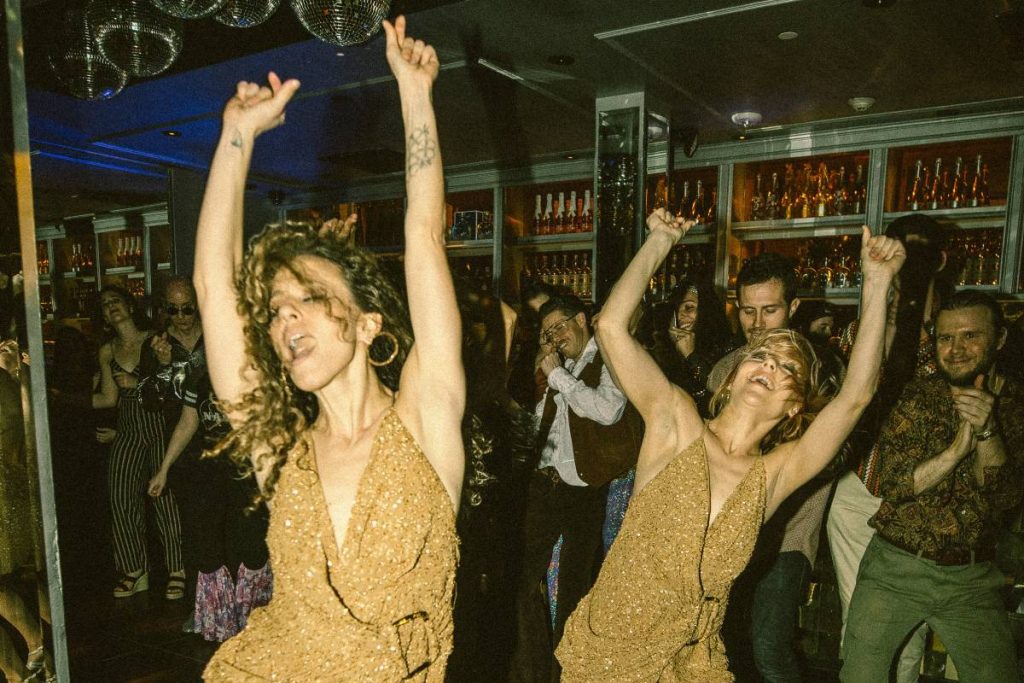
The Story of the Remix: How Dance Music's Biggest Innovation Began
Every weekend, millions of people hear remixes at festivals, clubs, and on streaming platforms without giving them a second thought. In today's electronic music scene, a remix is often seen as an opportunity for producers to reinterpret a track, showcase their style, or transform a radio hit into a dancefloor anthem. But that wasn't how remixes began.
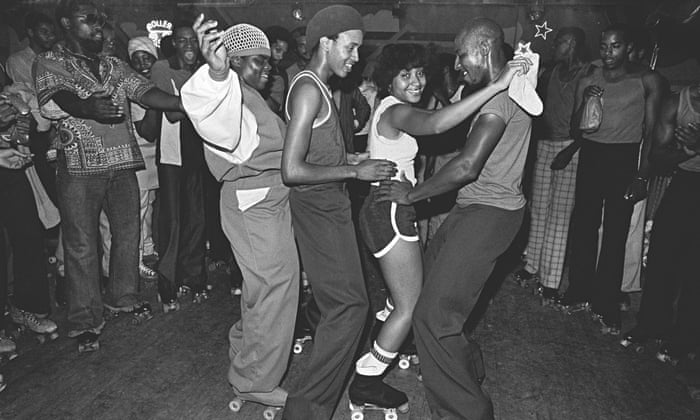
The concept dates back to the early 1970s, during the height of the disco era in New York. DJs needed records that lasted longer than the typical three-minute radio edit, giving dancers more time to stay on the floor. Producers and engineers responded by extending intros, breakdowns, and outros, creating longer versions specifically designed for club play. These "extended mixes" became the first step toward what we now recognize as the modern remix.
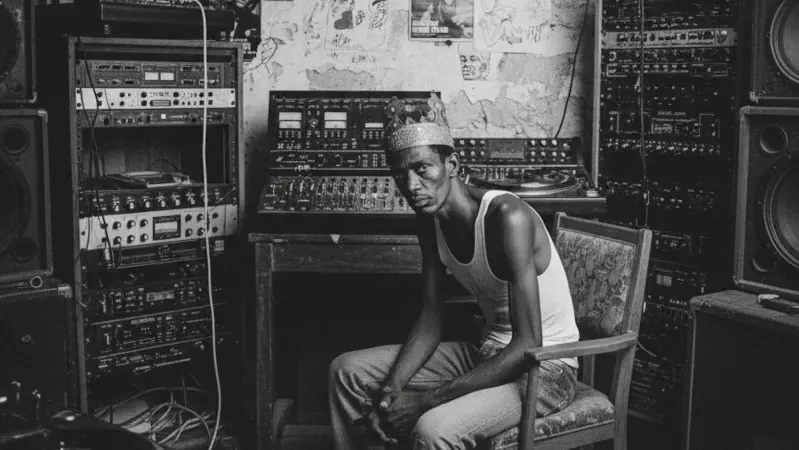
Around the same time, another revolution was happening in Jamaica. Dub pioneers like King Tubby and Lee "Scratch" Perry began experimenting with existing recordings by removing vocals, emphasizing bass and drums, and adding delay, echo, and reverb. Rather than simply making songs longer, they were completely reconstructing them. Their work transformed the mixing console into a creative instrument and laid the foundation for modern remix culture.
Throughout the 1980s and 1990s, advances in studio technology gave producers even more freedom. Instead of making subtle edits, they could completely reinvent songs. A pop record could become a house anthem, a trance classic, or a drum & bass weapon. Record labels quickly realized that releasing multiple versions of the same track helped DJs, reached new audiences, and extended a song's lifespan.
Today, remixes are an essential part of electronic music. They launch emerging artists, revive classic records, dominate festival sets, and often become more recognizable than the originals themselves. Tracks like I Took A Pill In Ibiza (Seeb Remix), Summertime Sadness (Cedric Gervais Remix), and countless others prove that a remix isn't just an alternate version—it's an opportunity to create something entirely new.
What started as a practical solution to keep dancefloors moving has evolved into one of the most powerful creative tools in music. Every remix tells the story of how a familiar song can be transformed into a completely different experience, ensuring that electronic music continues to evolve with every new generation of producers.
Related News
Latest News

Cyclops Announces Massive 360-Degree "Eye Witness" North American Tour
Oct 16
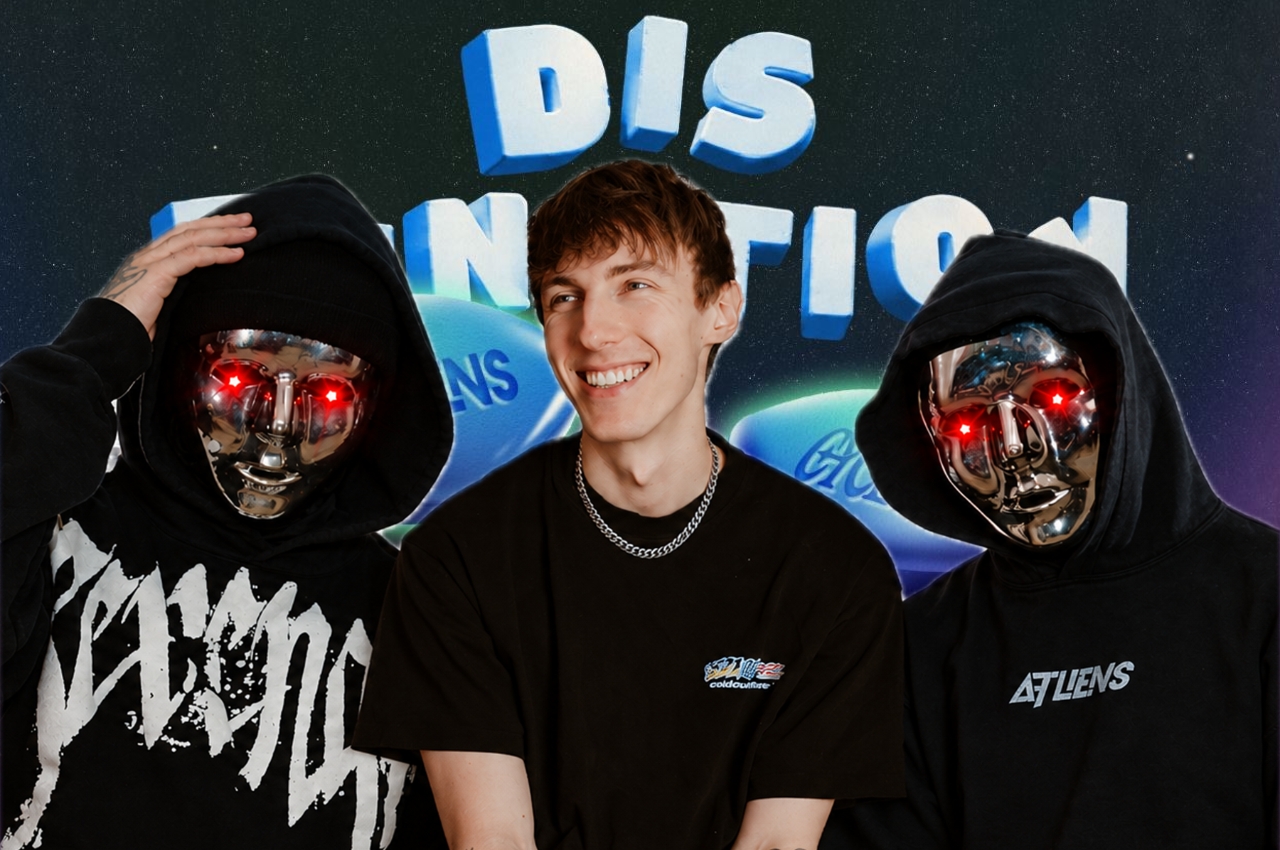
Cyclops and ATLiens Turn Viral Meme Into Dubstep Weapon With New Collab "DIS FUNCTION"
Oct 16
SoDown Blends Vintage Film and Heavy Bass on New Album 'Scenes of Consciousness'
Oct 16
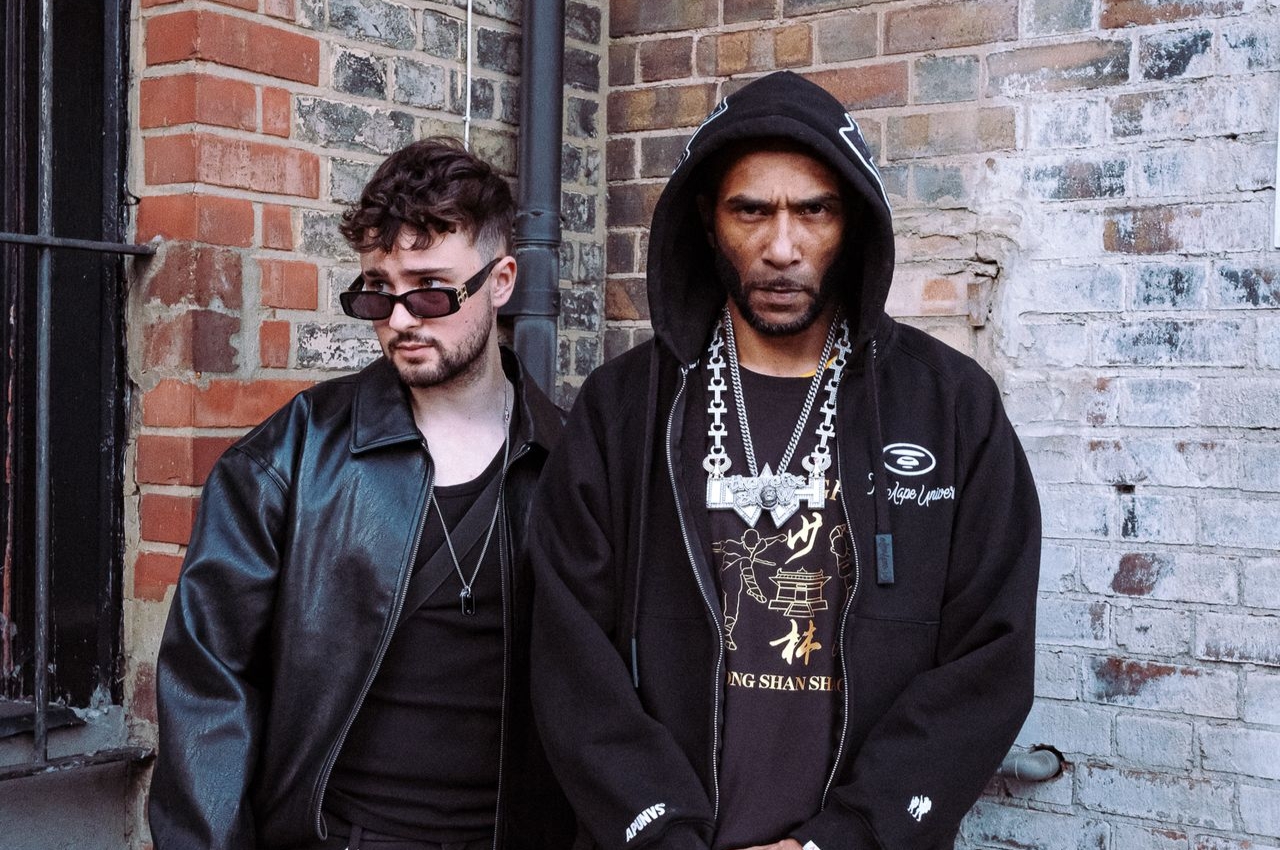
Arcando Announces Debut Album 'Inception' and Gritty New Single With IRAH
Oct 16

Zen Selekta Pays Homage to Soundsystem Culture with Deadbeats Debut "All Massive"
Oct 16
Trending
- 01ADE 2026 DJ Contest Offers 8 Artists a Chance to Perform in AmsterdamOct 08
- 0227-Year-Old Costa Rican Dies After Medical Emergency at EDC ColombiaOct 11
- 03Arcando Announces Debut Album 'Inception' and Gritty New Single With IRAHOct 16
- 04From the Florida Panthers to Ultra Miami: Kaoru Takes His Brazilian-Japanese EDM Sound to the Global StageOct 14
- 05Ultra Music Festival 2027 unveils blockbuster Phase 1 lineup featuring world debuts, landmark returns and new show conceptsOct 14