
Ones To Watch: From a $300 MPC to Sold-Out Red Rocks, Daily Bread Never Stopped Digging
Atlanta hip-hop, dusty records, producer battles, years behind the counter at a record store, and an uncompromising approach to sampling all helped shape Rhett Whatley’s path to Daily Bread. Now, with “Vanishing Point” and another major North American headline tour underway, success means something different than it once did.
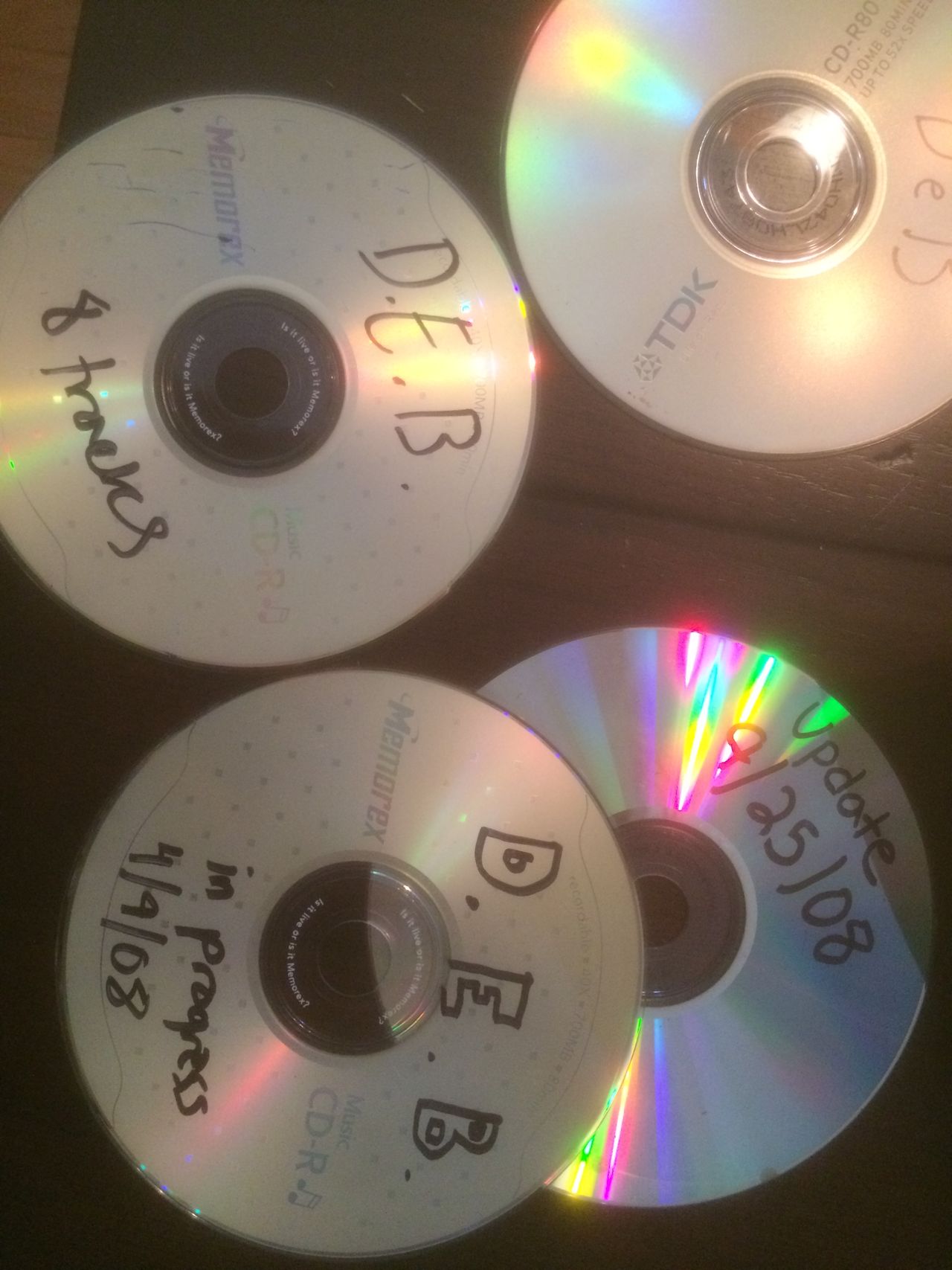
Long before Daily Bread became a touring career, Rhett Whatley was already surrounded by music. His parents kept it moving through the house constantly, and there was little concern for sticking to one lane. His father played everything from Prince and Hank Williams Jr. to Phantom of the Opera. His mother moved between country, rock, Gino Vannelli, Billy Squier, Celine Dion, and Trisha Yearwood.
Whatley developed his own affinity for The Beatles, took free drum lessons in elementary school, and could usually be found somewhere near a CD player. An aunt supplying Jock Jams CDs every Christmas only added to the collection. But the obsession really started taking shape once records entered the picture.
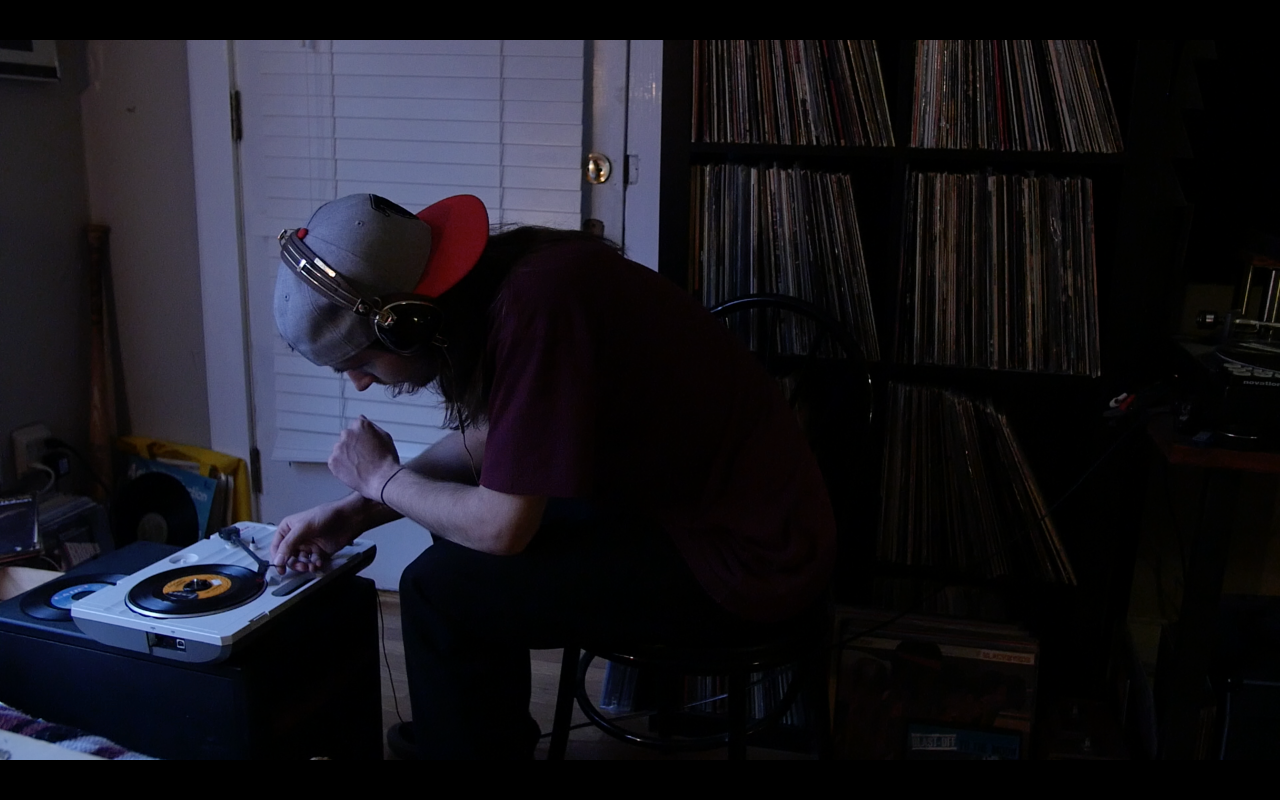
Whatley began with his mother’s vinyl collection before turning record shopping into a weekly ritual. Not long after, he found an MPC 2000 on Craigslist for $300. There was one problem: the shift key did not work. He figured out a workaround anyway.
The setup was rudimentary. Whatley would loop drums over sounds pulled from records and two-track those early experiments into GarageBand. The equipment was limited, but the basic process that would eventually define Daily Bread was already there: find something interesting, pull it apart, and figure out how to make it feel new.
The timing also placed him inside a particularly influential chapter of Atlanta music. Whatley began learning production around 2005 through 2007, when crunk had exploded far beyond the city and become one of Southern hip-hop’s defining sounds. He was surrounded by it, but his own production interests were increasingly drawn toward the sample-heavy work of DJ Premier, Madlib, and J Dilla.
Atlanta made it impossible to ignore the energy of the South, though. Gangsta Grillz, Don Cannon, DJ Toomp, Tha Backwudz, 4-Ize, and countless other local influences were part of the environment. Eventually, Whatley stopped seeing those ideas as opposing forces. His music could be crate-based, soulful, and sample-driven while still carrying enough weight and rhythm to move a room.
That combination would later become one of Daily Bread’s defining characteristics. Atlanta also provided his first real proving ground. A friend introduced Whatley to Mic Club at Apache Cafe, a weekly hip-hop night hosted by the late D.R.E.S. Tha Beatnik. Some nights featured producer battles where beatmakers were given roughly 30 seconds to play something before the crowd delivered its verdict.
Whatley watched for years before eventually entering himself. He lost most of the battles. That did not matter nearly as much as earning the respect of the producers around him.
The experience placed him directly inside an Atlanta beat community where music was tested in front of people rather than perfected in isolation. It also reinforced something that would follow him throughout his career: the value of making music that felt authentic enough to stand on its own, regardless of whether it fit neatly into whatever was popular around it.
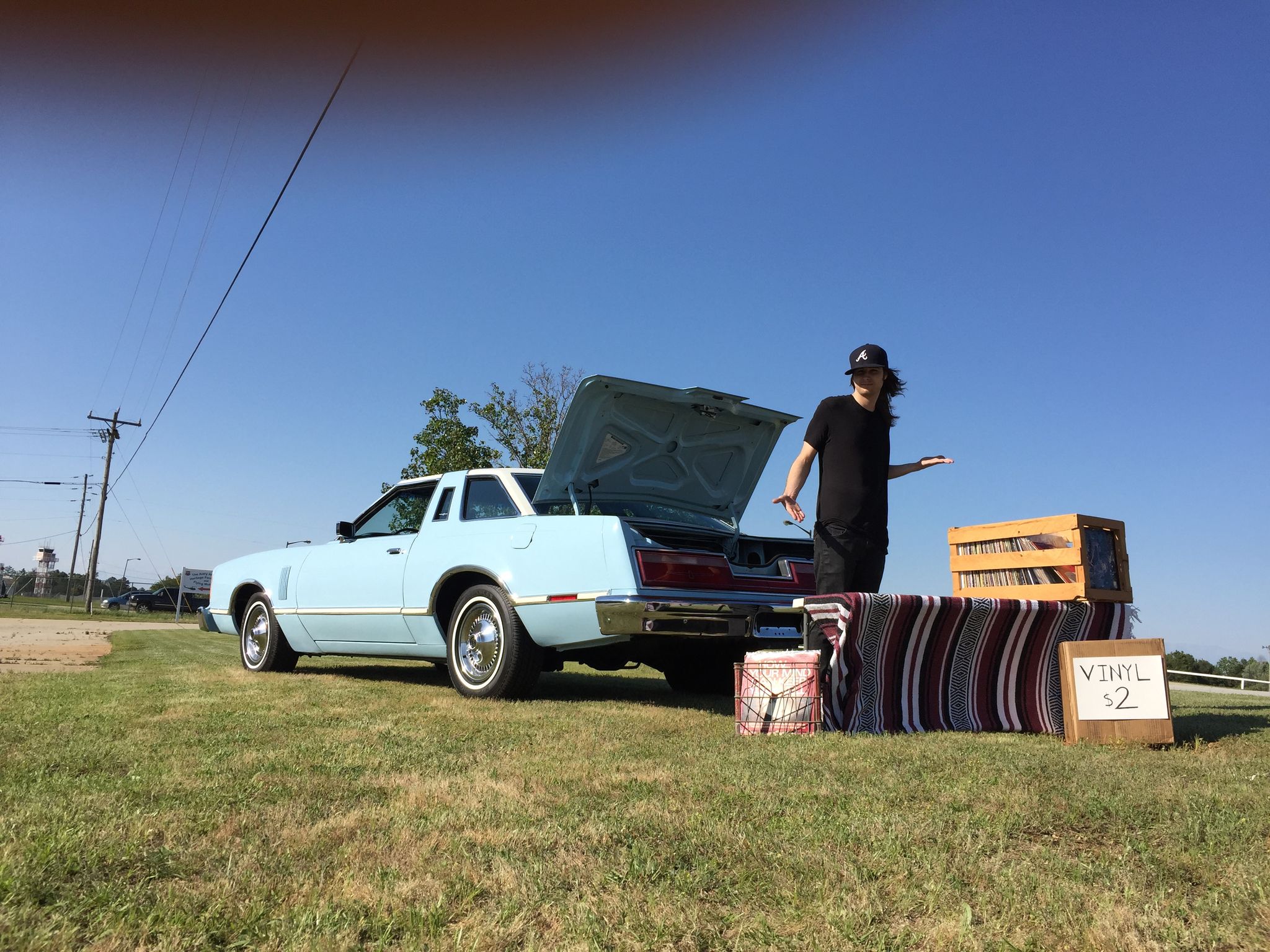
After graduating from Kennesaw State University, music still did not look like an obvious career. Whatley spent time unsuccessfully trying to enter the corporate world before an opportunity at Sweet Melissa Records in Marietta sent him in a completely different direction.
From 2014 to 2016, he worked at the family-run shop five days a week. His responsibilities ranged from buying and pricing records to occasionally opening and closing the store. Most importantly, the job gave him access to an almost endless stream of music he may never have encountered otherwise.
When customers sold collections to the shop, Whatley had to grade the records based on wear, which meant listening closely to what came through the door. If something caught his attention, he would leave a sticky note on it and return later. Store owner Jim allowed him to take promising finds home, sample them, and bring them back.
One memorable discovery was an original pressing of Linda Perhacs’ Parallelograms. The haunting “Who Really Cares” immediately grabbed him. Once they realized how rare the record was, it wound up framed on the wall.
More broadly, the job changed the way Whatley searched for sound. He learned to dig for isolated instruments, speeches, non-musical records, 12-inch hip-hop singles with acapellas, and fragments that could be combined with completely unrelated records. Some beats eventually contained pieces from seven or eight different sources. This collage-like mentality remains central to Daily Bread today.
The shop also produced one of the more unlikely full-circle moments of his career. In 2015, Big K.R.I.T. walked into Sweet Melissa shortly before closing. Whatley introduced himself, admitted to being a fan, and helped K.R.I.T. track down some Willie Hutch records from the back of the store. Before he left, Whatley slipped a CD copy of his newly finished The Darkness Before Dawn EP into the stack.
K.R.I.T. complimented the packaging and later returned to the store to film an episode of Rhythm Roulette. Years later, the two found themselves backstage together after K.R.I.T. joined Daily Bread at Mission Ballroom. They talked about the old record-store days before K.R.I.T. reminded him of what he had said all those years earlier: “You said you was gonna do it!”
For Whatley, who considers K.R.I.T. a creative north star and admires the rapper’s production background, car culture, and respect for older music, it was a 10-out-of-10 moment.
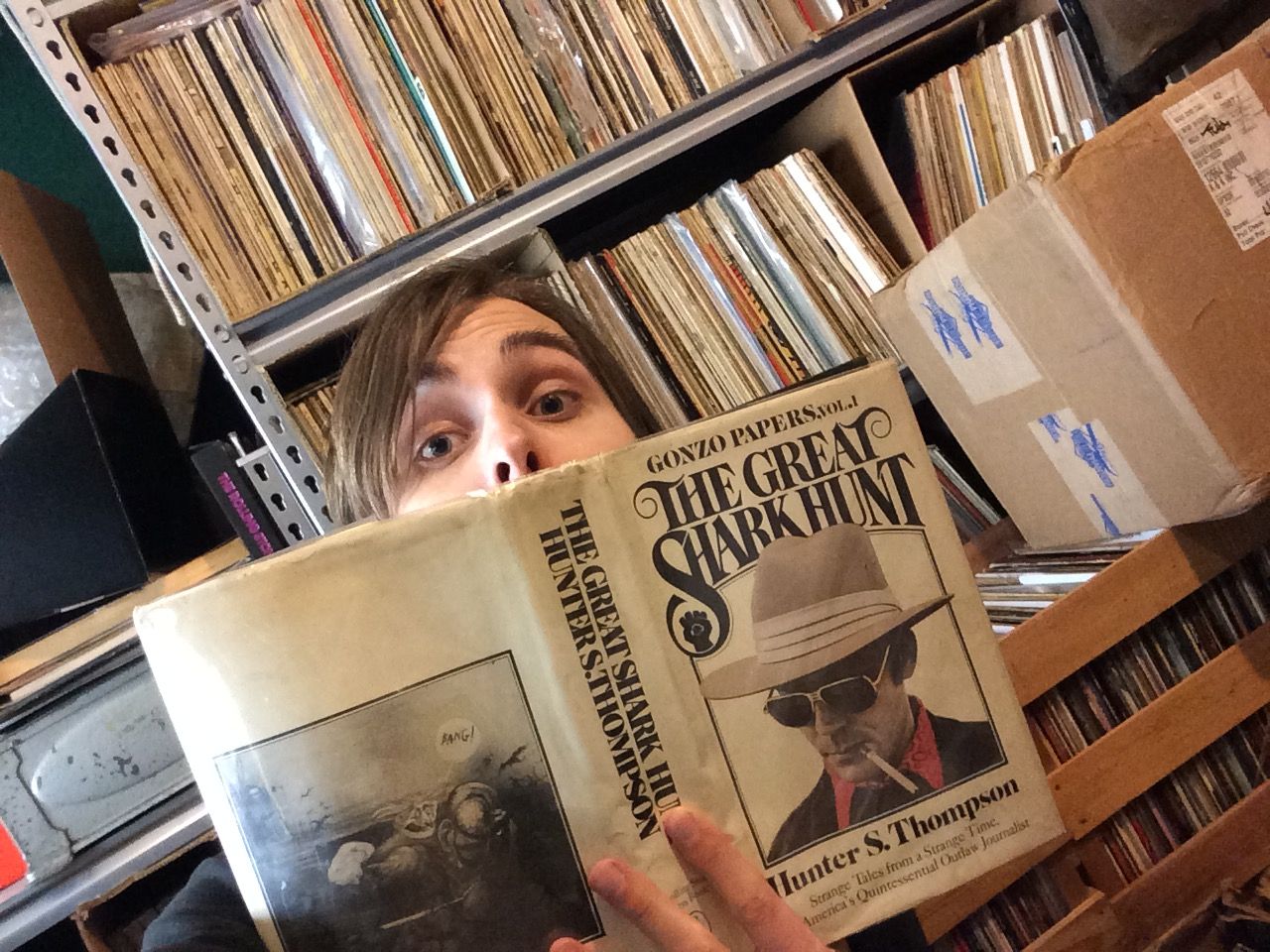
Even the name Daily Bread traces back to those years of balancing ordinary work with music. Whatley would spend the week working, then go digging for records on Saturday morning and stay up making beats through the night. He started calling that ritual his “Daily Bread” because it was what sustained him through the workweek.
There was also a visual joke buried inside it: a crate filled with records looks a little like a loaf of sliced bread. DJ Daily Bread eventually became simply Daily Bread once Whatley began focusing more heavily on beatmaking, but the original meaning never really disappeared. Music was the thing that fed everything else.
Still, Whatley spent years making it before believing it could support him financially. He began looping records in 2007 but did not make music his primary pursuit until around 2014. Even then, he supplemented his income through the record store and electrical work. It was not until 2016 that he started believing he could potentially make a living from music alone.
One important piece of that transition came through Philos Records. While preparing the first Daily Bread release in 2014, Whatley sent demos to Jordan at Philos after being drawn to the label’s grassroots approach and community of like-minded producers. He had already become a fan of artists like Artifakts and Ageless, and when Philos offered to release the record, the relationship gave Daily Bread something more important than a simple label home.
It gave the project a place where its sound made sense. Whatley found close friends and collaborators in Jordan and Garret, eventually turning an online connection into years spent traveling and making music together.
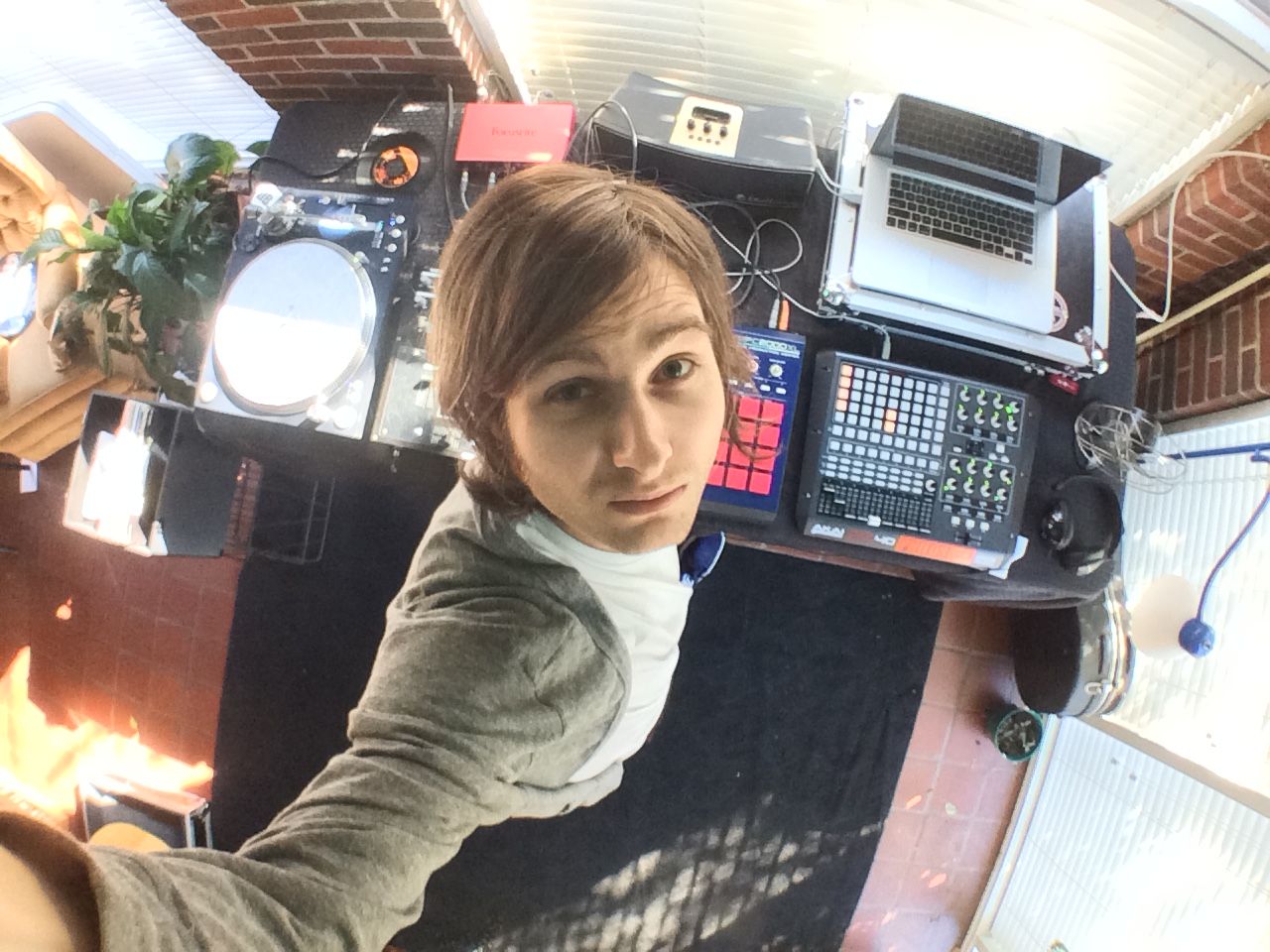
The sense of belonging mattered because Daily Bread has never fit perfectly inside electronic music. Whatley still views the project as an alternative form of hip-hop. His records may use modern electronic production and bass-heavy sound systems, but the thinking behind them remains rooted in sampling, Atlanta rap, soul, and the records he spent years collecting.
He describes the goal simply as music you can ride to at any time of day or night — never so aggressive that it overwhelms the moment, but never so relaxed that it disappears into the background. As Daily Bread’s audience grew, Whatley resisted altering that formula simply because a more commercial sound might open larger doors.
“I am still just a kid with a sampler and a stack of records,” he says. The technology improved. His skills expanded. His interests multiplied. But he still wants the evolution to happen organically. “If I chased a fad or a popular sound outside of my own interests then it would suck the fun out of it for me.”
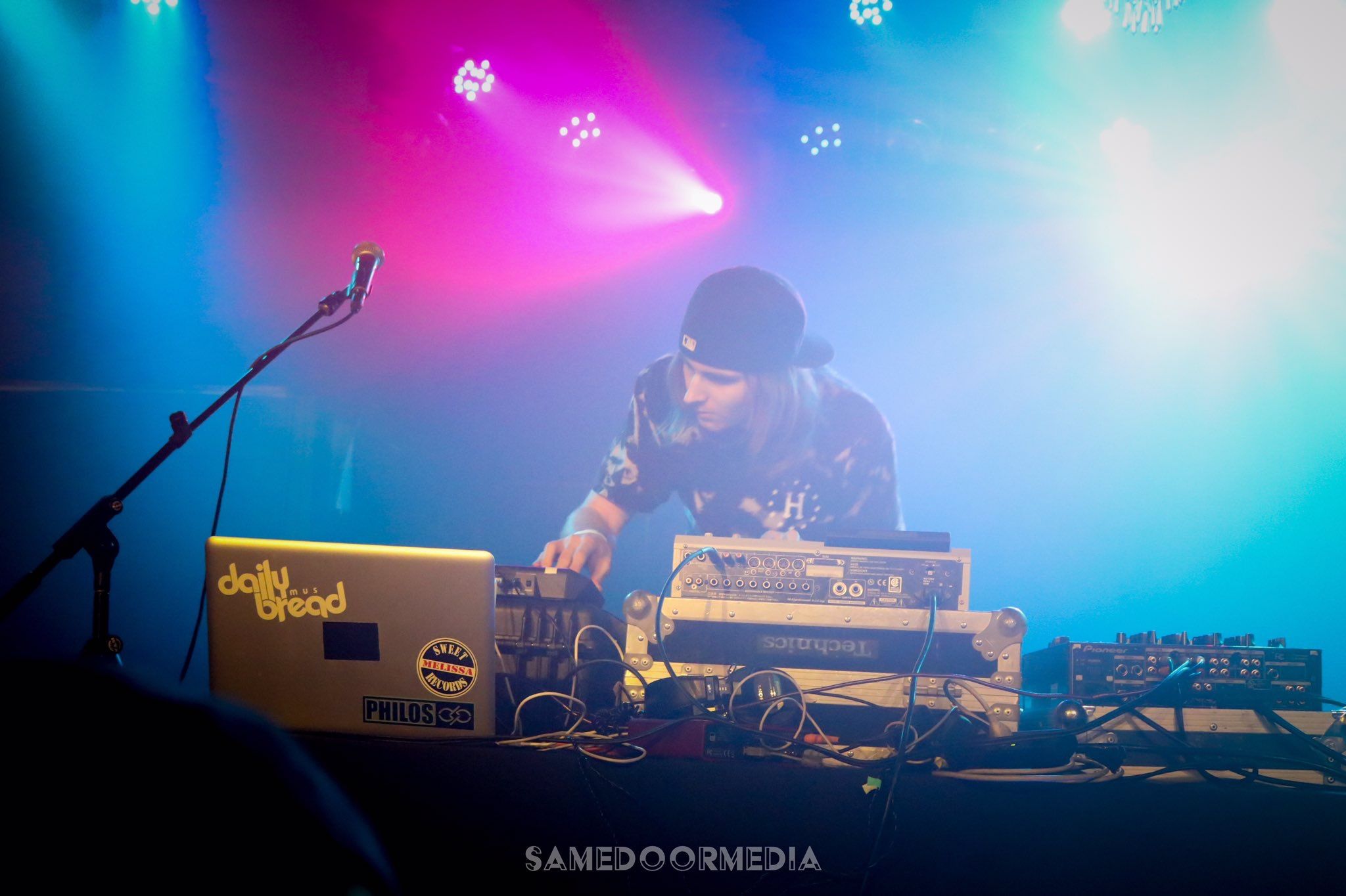
By around 2019 or 2020, that stubbornness was beginning to produce something much bigger than Whatley expected. He remembers playing to a full Cervantes Ballroom and realizing the energy had fundamentally changed.
For years, he had opened for other artists and performed in smaller rooms where audiences were primarily there for electronic music more broadly. At Cervantes, it suddenly felt like people had come specifically for Daily Bread.
They knew the lyrics. They wore the merch. More importantly, they were forming friendships with one another around the music. Looking back, Whatley does not point to a viral moment or a single release that unlocked everything. He sees it as the cumulative result of consistency and passion. The realization also changed what he wanted Daily Bread events to become.
As Whatley got to know the fan community more personally, he began looking beyond the traditional artist on-stage model. Bread & Breakfast, Cinema In The Sky, and other experiences created space for temporary flea markets, tattoo and nail artists, record-store meetups, and other creative outlets from people inside the community.
For someone who spent years watching unusual characters move through Sweet Melissa Records, that atmosphere felt familiar. “It feels full circle.” The scale continued growing.
Daily Bread moved from underground rooms into nationwide headline tours, major festivals, and sold-out Red Rocks performances. On The Daily established the foundation, Invisible Cinema pushed the project into another tier, and the Flash Flood series continued expanding its reach. In 2024, Flash Flood II surpassed 7.5 million SoundCloud listens, while a sold-out Red Rocks headline marked another major step. In 2025, Whatley returned for two nights at Red Rocks after a 27-date North American tour.
Yet the further the project traveled, the less interested he became in measuring success solely by what could come next. That tension sits at the center of Vanishing Point. The album takes its title from the point on the horizon that always appears visible but moves further away as you approach it.
“There’s a point on the horizon you can see but never quite reach,” Whatley explains. “No matter how fast you drive it keeps moving down the road.” For years, that horizon could have represented the next major milestone: another venue, another festival, another level of recognition. At this stage of his life, Whatley is chasing something else. Peace of mind.
He is happily married, owns a home, and has begun finding time for interests beyond music. The goal now is less about endlessly searching for bigger and better and more about slowing life down enough to experience it. He wants more time with friends and family while maintaining a healthy touring and release schedule.
“I’m on a quest for balance and peace as opposed to the endless quest for bigger and better,” he proclaims. “I aim to travel at my own pace at this point.”
Whatley’s perspective gives Vanishing Point a reflective weight beneath its bass-forward production. Across 13 tracks, nostalgia, ambition, memory, uncertainty, soul, hip-hop, and heavier electronic production move alongside one another. The album does not abandon the Daily Bread formula; it stretches it.
It also brings Atlanta more directly into the project than ever before. Jonah Cruzz, Kyle Lucas, STS, and Obeah each contribute vocals to the album, but for Whatley, the connection goes far beyond putting hometown rappers on an electronic record.
They share a cultural reference point. They know what a Braves game felt like in 1995. They know summer rides to church in a grandmother’s Cadillac Brougham, the childhood threat of having to “go outside and pick your own switch,” and the specific atmosphere of Lenox Mall around the holidays.
Whatley can send them a beat knowing they are capable of writing from a place they all understand. “They have my trust and they trust me back,” he says. “That’s everything to me when collabing on music that’s made from the heart.”
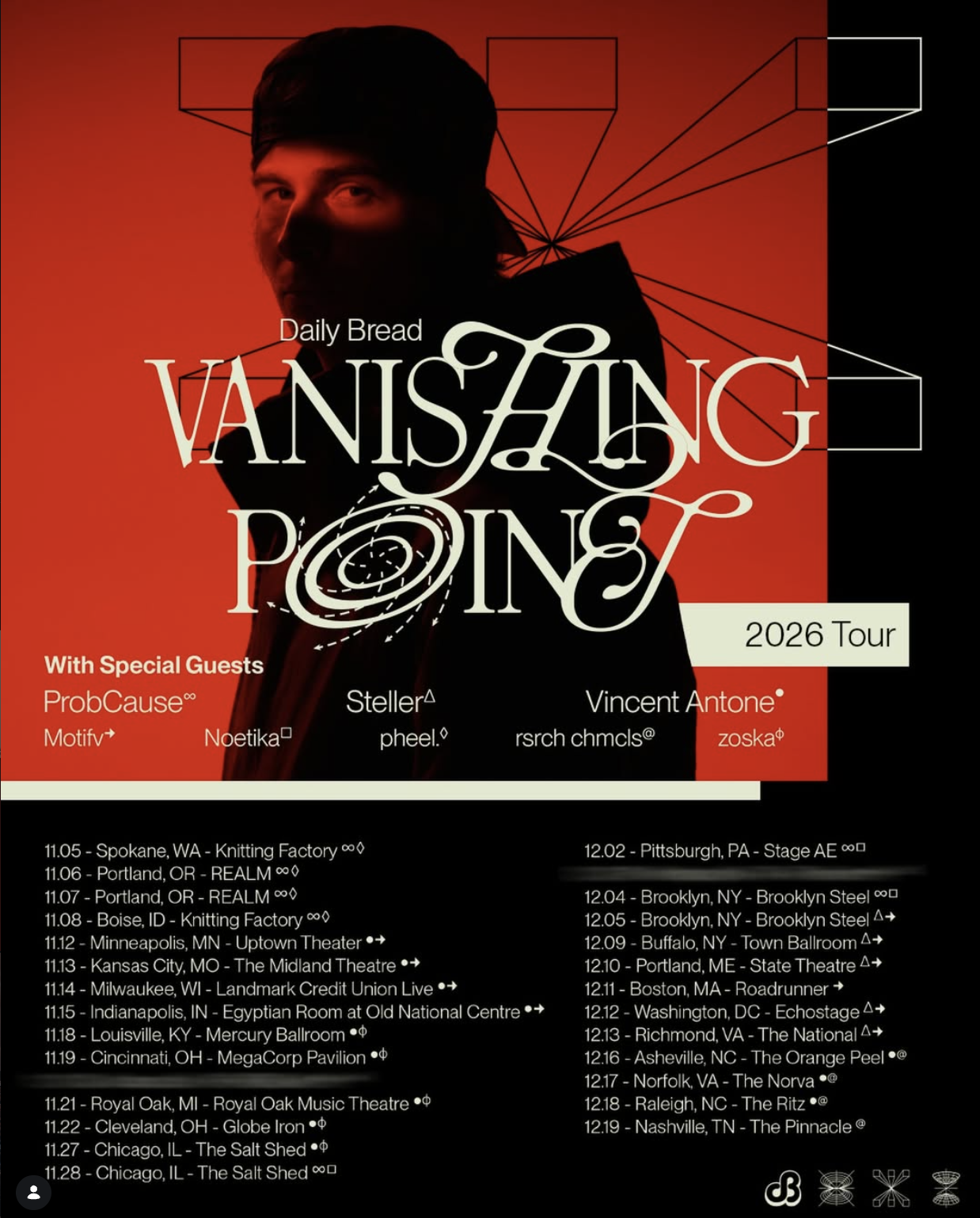
The album arrives during another expansive period on the road. After a 2026 festival run spanning Lightning in a Bottle, Bonnaroo, Electric Forest, Elements, Camp Alderwild, Secret Dreams, and more, Daily Bread is taking Vanishing Point across North America on a 28-stop headline tour.
Launching November 5, the run moves through rooms including Chicago’s Salt Shed, Brooklyn Steel, Boston’s Roadrunner, Washington, D.C.’s Echostage, Nashville’s The Pinnacle, and more, with support across select dates from ProbCause, Vincent Antone, Steller, pheel., Motifv, zoska, Noetika, and RSRCH CHMCLS.
For all the growth, Whatley’s relationship with actually making music remains remarkably uncomplicated. The best part is still the moment when an idea in his head finally works in real life. He describes it as a hit of dopamine unlike anything else.
The same feeling arrives when he plays something new for the first time and watches a crowd respond. “It makes me feel like an alchemist or something,” he shares. “It’s pure magic.” That may be the cleanest thread connecting every version of Daily Bread.
The teenager surrounded by CDs. The kid figuring out how to use a broken $300 MPC. The producer losing battles at Apache Cafe. The record-store employee leaving sticky notes on samples he wanted to bring home. The artist handing Big K.R.I.T. a homemade EP. The headliner standing in front of sold-out Red Rocks crowds.
Asked what the younger version of himself would find most surprising about where Daily Bread eventually went, Whatley does not point to Red Rocks, festivals, or touring. He says it would be the fact that music became something he could actually live from. “All I ever dreamed of was just getting to a place where I could do what I loved every day, at my own pace.”
Everything else — the friendships, collaborators, recognition, and respect from people he once looked up to — became bonuses he never expected. And as the horizon continues moving, the master plan has become remarkably simple. “Keep doing it with integrity for as long as possible.”
Related News

Latest News
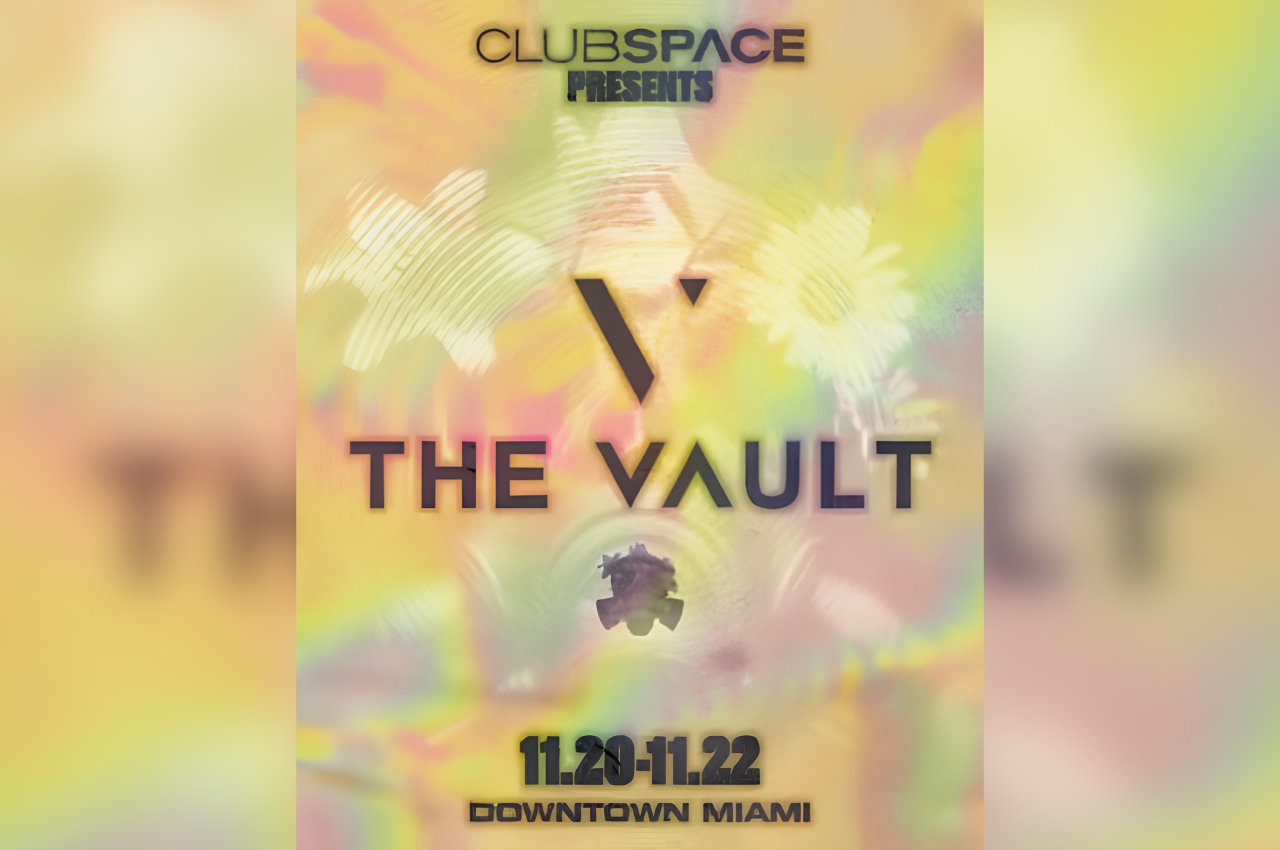
Club Space Announces 'Vice City Takeover' Collaboration with The Vault for GTA VI-Inspired Weekend
Nov 04
From A Small Finnish Village To A Global Audience: The Story Behind Alex Stonebay
Nov 04

Escape Psycho Circus To Return To NOS Events Center For 17th Anniversary In 2027
Nov 04
Juan Atkins, Detroit Techno Pioneer And One Of The Genre’s Founding Fathers, Dies At 64
Nov 04
COSTA, SKXLLFLOWER & LIMMZ Unleash Dark And Heavyweight New Single “GRAFT” Via Deadbeats
Nov 03
Trending
- 01New Music Friday: 36 Electronic Tracks to Hear This Week (October 30, 2026)Oct 30
- 02From A Small Finnish Village To A Global Audience: The Story Behind Alex StonebayNov 04
- 03Martron Explores Motivation, Momentum & Creative Possibility On New EP “Drive”Nov 01
- 04Homo Et Deus Builds “Humanity” Around Unity, Sound Design, and ConsciousnessApr 11
- 05DJ Mag vs. 1001Tracklists: Which Ranking Actually Matters More?Oct 19