
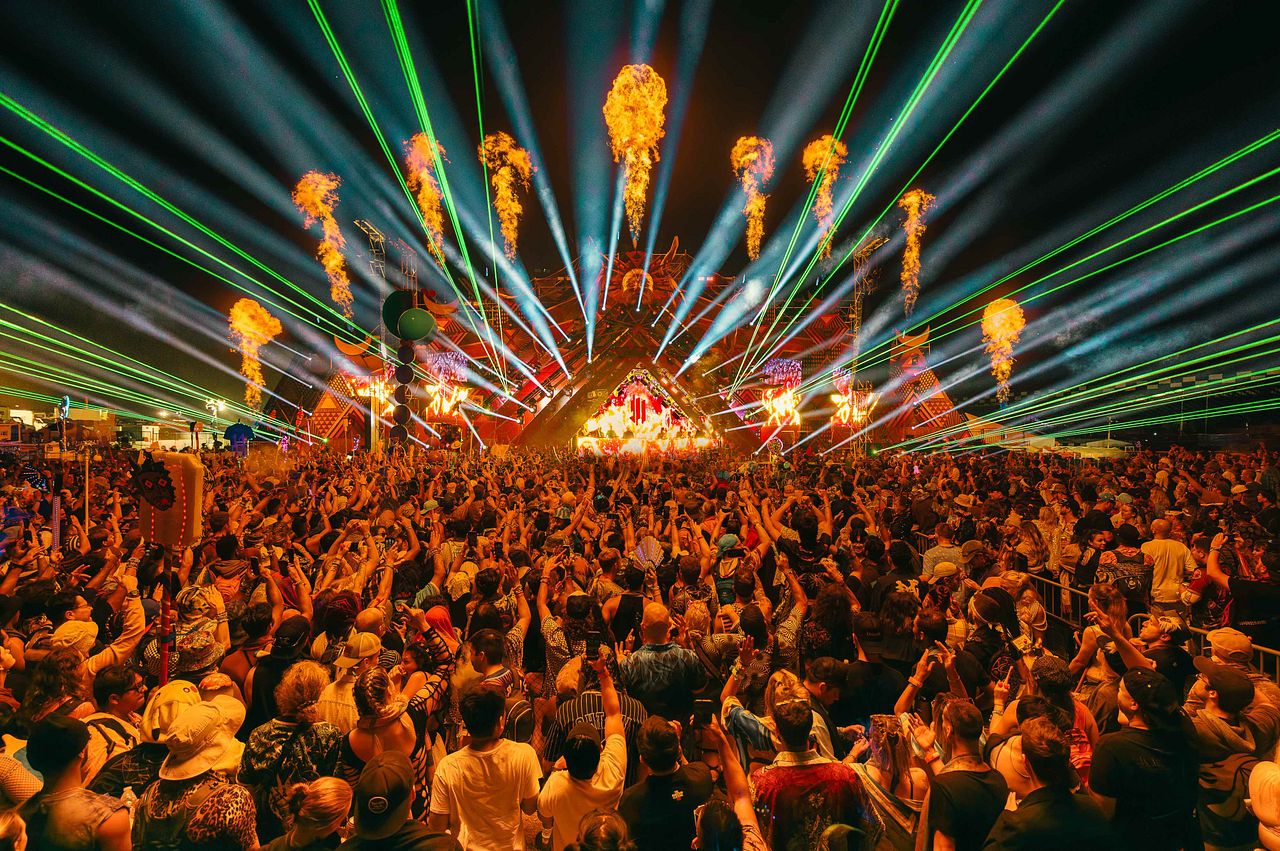
From Brooklyn Warehouses to the Poconos: How Elements Built a Festival Without Losing Its Underground Soul
Before Elements became an immersive camping festival, its founders were transforming unexpected Brooklyn spaces into underground parties for just a few hundred people. More than a decade later, that same spirit remains at the center of everything they create.
Long before Elements Music & Arts Festival brought thousands of people into the forests of Pennsylvania, its story was unfolding inside the warehouses of New York City.
Co-founders Brett Herman and Timothy Monkiewicz began producing underground events through BangOn!NYC in 2009. According to Monkiewicz, those early parties attracted approximately 200 to 300 people before eventually growing into large-scale gatherings with crowds of up to 6,000.
The organizers were not simply booking DJs and placing speakers inside empty buildings. Their goal was to transform each location into a world of its own through music, interactive art, performers and experiences that guests would never expect to encounter at a conventional nightclub.
That philosophy eventually became the foundation of Elements.
From a Few Hundred People to Thousands

One of the first major turning points came when BangOn! booked Felix Cartal for an event that drew approximately 2,500 attendees.
Monkiewicz remembers it as the first time the team had paid to bring in a DJ and the first moment when the scale of what they were building became fully visible.
As people entered the transformed space, he watched their faces light up. It was not only the size of the crowd that made the moment special. It was seeing thousands of people react to an environment that his team had built from the ground up.
BangOn!’s warehouse events continued to expand, helping Herman and Monkiewicz develop a production style centered around discovery, participation and the unexpected.
In 2013, those ideas evolved into the first one-day Elements event on Brooklyn’s waterfront. The project would later grow beyond New York and become a multi-day camping experience in Pennsylvania.
Why Elements Moved Beyond New York

While the urban version of Elements began in 2013, Monkiewicz identifies 2017 as the beginning of the camping festival.
The founders believed the northeastern United States was missing a sizable music festival built around community, art and immersive experiences. Rather than creating another event dominated only by its lineup, they wanted to give attendees an entire environment to explore.
Elements found a new home at a summer camp in the Pocono Mountains, where cabins, a lake, wooded areas, hills and open fields were already part of the landscape.
That natural variety allowed the organizers to approach the festival differently.
Instead of building every stage inside the same open field, Elements used the geography of the property to create distinct spaces. A dock beside the lake became the setting for playful daytime music. Pine forests surrounded other stages, while hills and fields offered completely different environments throughout the site.
For Monkiewicz, this diversity was one of the features that immediately separated Elements from festivals built on mostly empty land.
The location was not simply a place to install the festival. It became part of the festival’s identity.
Four Elements, Four Different Worlds

The musical programming was also designed to resist the limitations of a single genre.
Elements divided its experience into stages inspired by Earth, Air, Fire and Water, with each environment representing a different musical personality.
Earth leaned into bass music, psychedelic sounds, live performances and global influences. Air became a destination for techno, tech house and deep house, with an atmosphere Monkiewicz compared to the worlds of Tulum and Burning Man.
Fire focused on more energetic American house sounds, including tech house and bass house. Water offered disco, daytime grooves and a lighter atmosphere beside the lake.
Old-school hip-hop and other styles could also appear across the festival. The founders’ priority was not whether an artist belonged to a narrowly defined genre, but whether the music felt inspiring and right for the world they were creating.
“We’re not trying to go after one genre,” Monkiewicz explained in the interview. “It’s really going after all different kinds of music that is tasteful and inspirational to us.”
Elements also developed a reputation for taking chances on emerging artists rather than relying exclusively on the same commercial names appearing across major festival lineups. Its willingness to book outside the obvious choices was already noticeable during its New York era.
More Than a Collection of Stages

Music may bring people to Elements, but the experience surrounding it is what defines the festival.
From its earliest warehouse events, the BangOn! team treated attendees as participants rather than passive spectators. Art installations, unusual performers, wellness programming and hidden environments gave people reasons to explore beyond the stages.
During the 2017 New York edition, guests could discover everything from a roller-skating area and a Thunderdome-style installation to meditation, yoga and interactive workshops. Approximately 10,000 people attended that year’s event at an industrial site in the Bronx.
That wider approach followed Elements into its camping era.
Monkiewicz described Elements as a music, art and transformational festival, placing it in conversation with experiences such as Burning Man, Lightning in a Bottle, Shambhala and Envision.
However, he believes its New York background gives Elements a personality that cannot simply be recreated by following the formula of another festival.
The Brooklyn DNA Never Left

The warehouses may have been replaced by forests and campgrounds, but the philosophy developed in Brooklyn remains deeply connected to Elements.
The founders still want to create environments that feel bold, strange and occasionally risky. The festival is designed to reward curiosity, placing unexpected art and unconventional experiences throughout the grounds.
According to Monkiewicz, that willingness to take an idea one step further comes directly from Brooklyn and New York’s underground culture.
The team grew up producing events in unusual spaces, where limitations often became opportunities for creativity. An empty warehouse could become an immersive universe for one night. At Elements, an entire campground can become one for a full weekend.
The festival’s roots are also visible in the way its organizers experience the event themselves.
Monkiewicz’s most memorable performance came during Maceo Plex’s 2018 set. On the final night of the festival, he found himself dancing in the audience alongside friends and team members who had helped build the event.
They were not watching from backstage. They were inside the crowd, surrounded by approximately 1,500 people, smiling as they realized that everyone around them was fully connected to the moment.
For Monkiewicz, it represented what Elements was always supposed to be: not a production separated from its audience, but a community sharing the same experience.
Growing Without Becoming Ordinary

Elements has changed significantly since the first BangOn! gatherings brought a few hundred people into Brooklyn warehouses.
The crowds became larger. The production became more ambitious. A one-day urban event developed into a multi-day destination festival featuring more than 100 artists in recent editions.
But growth can present a difficult challenge for an independent festival. The larger an event becomes, the easier it is for its original identity to disappear behind commercial expectations and familiar festival formulas.
Elements has attempted to grow without becoming predictable.
Its stages still represent different musical worlds. Its environments are still designed to be explored. Its programming still reaches beyond obvious commercial choices. Most importantly, the festival continues to carry the creative philosophy developed during the founders’ earliest warehouse parties.
Elements may no longer take place inside an underground Brooklyn warehouse.
Instead, it brings the warehouse spirit with it.
Follow @edm_army_ for more stories from electronic music culture
Related News
Latest News
Cyclops Announces Massive 360-Degree "Eye Witness" North American Tour
Oct 16
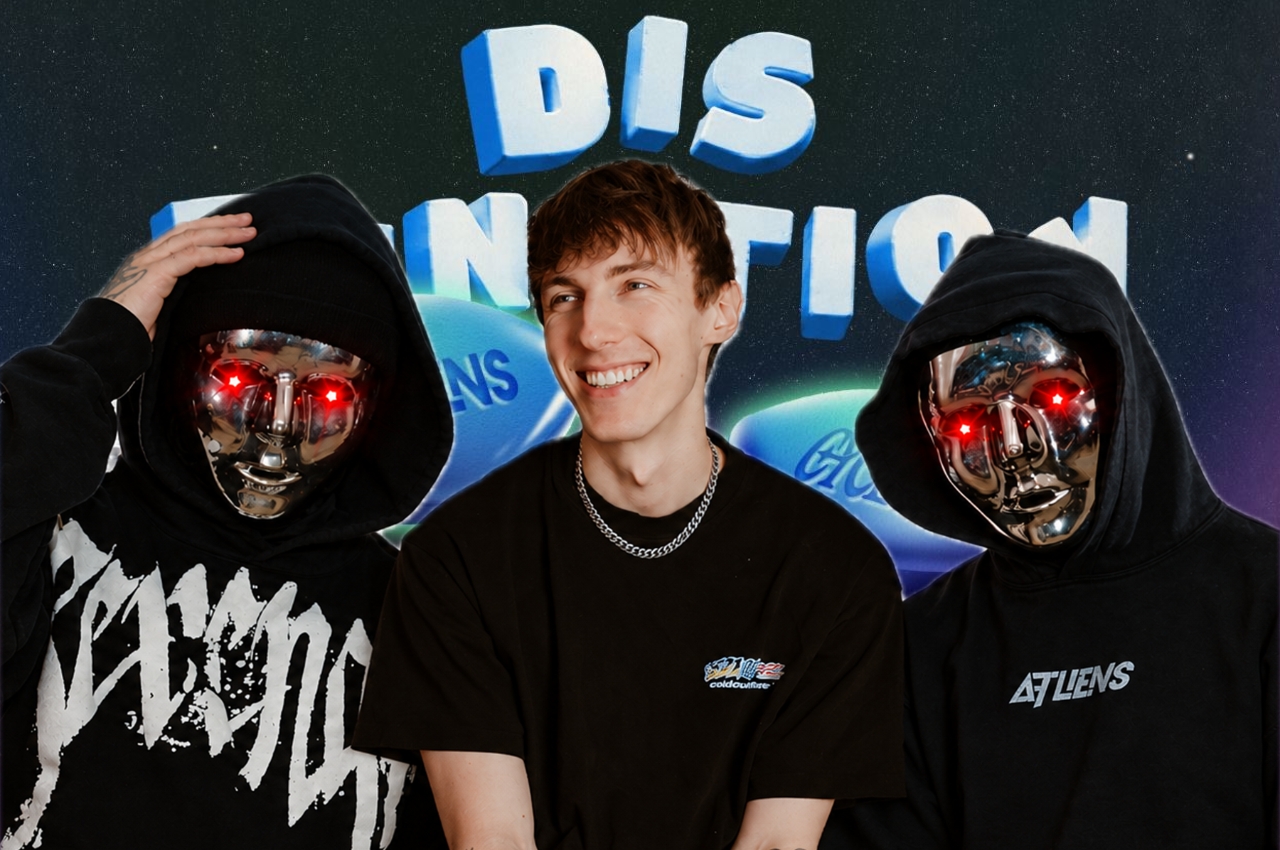
Cyclops and ATLiens Turn Viral Meme Into Dubstep Weapon With New Collab "DIS FUNCTION"
Oct 16
SoDown Blends Vintage Film and Heavy Bass on New Album 'Scenes of Consciousness'
Oct 16
Arcando Announces Debut Album 'Inception' and Gritty New Single With IRAH
Oct 16
Zen Selekta Pays Homage to Soundsystem Culture with Deadbeats Debut "All Massive"
Oct 16
Trending
- 01ADE 2026 DJ Contest Offers 8 Artists a Chance to Perform in AmsterdamOct 08
- 02Clubs You Need to Know: Hidden Above an Italian Restaurant, Club Spazio Built a House Music World of Its OwnOct 06
- 03Arcando Announces Debut Album 'Inception' and Gritty New Single With IRAHOct 16
- 04Ultra Music Festival 2027 unveils blockbuster Phase 1 lineup featuring world debuts, landmark returns and new show conceptsOct 14
- 05U.S. Government Investigates Streaming Fraud Involving Bots and AI-Generated MusicOct 11