
Scientists May Have Found a Way to Repair the Brain Without the LSD Psychedelic Trip
For decades, LSD and other psychedelic substances were known primarily for one thing: hallucinations. Whether viewed as a tool for self-discovery or a controversial recreational drug, the psychedelic experience has always been considered inseparable from the substance itself.
But what if that assumption is wrong?
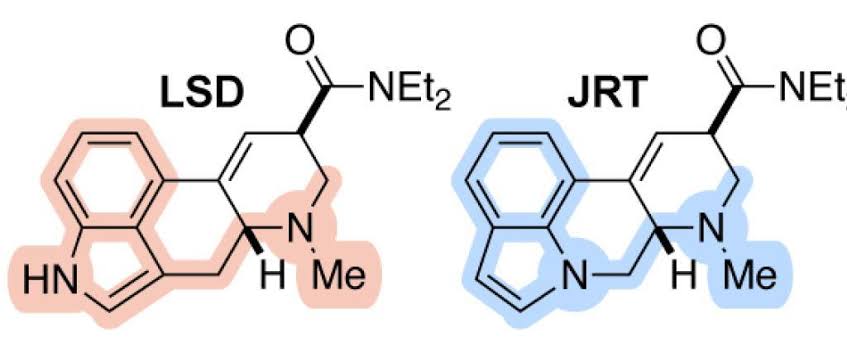
A team of scientists at the University of California, Davis has developed a new experimental compound called JRT, a molecule inspired by psychedelic drugs but designed to keep their potential brain-repair benefits while eliminating the hallucinatory effects.
The idea stems from one of the most exciting discoveries in modern neuroscience. Over the last several years, researchers have found that psychedelics don't just alter perception. They also appear to promote neuroplasticity — the brain's ability to create new neural connections, strengthen existing pathways, and potentially repair circuits that have been weakened by conditions such as depression, trauma, and neurodegenerative diseases.
The challenge is that these therapeutic effects have always come packaged with intense psychedelic experiences.
JRT was specifically engineered to separate those two outcomes.
According to early laboratory and animal studies, the compound appears to activate biological pathways associated with neuroplasticity while avoiding the hallucinatory responses typically seen with traditional psychedelics. Researchers observed increased synapse formation, dendritic growth, and stronger neural connectivity — all markers associated with a healthier and more adaptable brain.
Perhaps even more surprising, early experiments suggested powerful antidepressant-like effects. In some animal models, JRT demonstrated remarkable potency while showing no signs of altered perception or psychedelic behavior.
Why is this important?
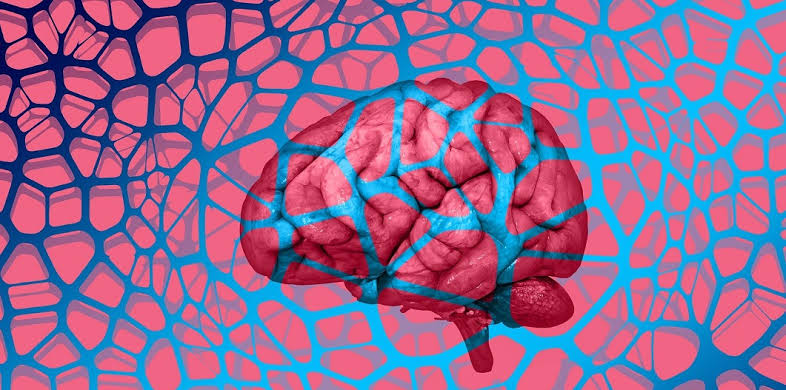
Because depression may involve more than simply low levels of certain brain chemicals. Increasingly, scientists believe that chronic depression can also be linked to the physical loss of neural connections within important brain networks. If compounds like JRT can help rebuild those networks, future treatments could potentially address the structural aspects of mental illness rather than only managing symptoms.
However, it's important to keep expectations realistic.
JRT remains an early-stage experimental compound. The research is still in the preclinical phase, meaning no human clinical trials have been conducted yet. Scientists have demonstrated proof of concept in the laboratory, but the compound must still undergo extensive safety testing and human studies before it could ever become an approved treatment.
Even so, the implications are significant.
For decades, researchers assumed that psychedelic healing and psychedelic experiences were inseparable. JRT suggests that may not be true. If future studies confirm these findings, scientists could potentially develop a new generation of medicines focused on repairing and strengthening the brain without producing hallucinations.
The real breakthrough may not be a stronger psychedelic.
It may be discovering how to help the brain heal itself.
Related News



Latest News

Head Trip Returns After Lightning Cancellation, Calvin Harris Rescheduled for Day 2
Oct 11

27-Year-Old Costa Rican Dies After Medical Emergency at EDC Colombia
Oct 11

Marlon Hoffstadt & David Guetta Drop “Caught Up”
Oct 09

Mau P Launches Baddest Behaviour Record Label
Oct 09

Skilah Turns Up the Heat with High-Octane Tech House Edit "GOMF BUT LOUDER"
Oct 09
Trending
- 0127-Year-Old Costa Rican Dies After Medical Emergency at EDC ColombiaOct 11
- 02ADE 2026 DJ Contest Offers 8 Artists a Chance to Perform in AmsterdamOct 08
- 03Head Trip Returns After Lightning Cancellation, Calvin Harris Rescheduled for Day 2Oct 11
- 04U.S. Government Investigates Streaming Fraud Involving Bots and AI-Generated MusicOct 11
- 05Mau P Launches Baddest Behaviour Record LabelOct 09