
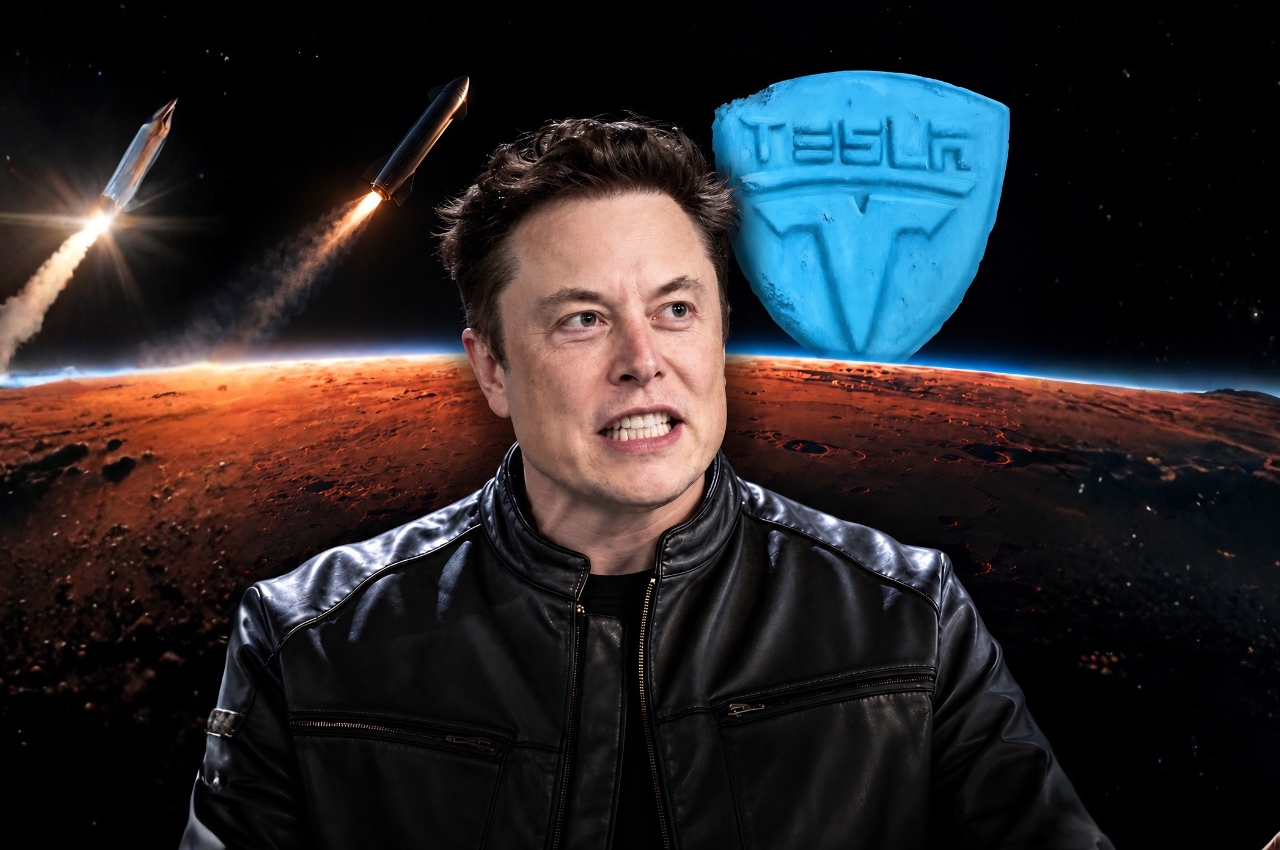
Elon Musk’s Inner Circle Invests Millions In MDMA Research As Psychedelic Medicine Gains Momentum
For decades, MDMA has been closely associated with electronic music, rave culture, and nightlife. Now, the substance commonly known as ecstasy or molly is attracting serious attention from scientists, pharmaceutical companies, and some of Silicon Valley’s wealthiest investors. According to a September 2026 report by The Wall Street Journal, several people within Elon Musk’s inner circle are investing millions of dollars in efforts to advance psychedelic medicine, particularly MDMA-assisted therapy for post-traumatic stress disorder (PTSD).
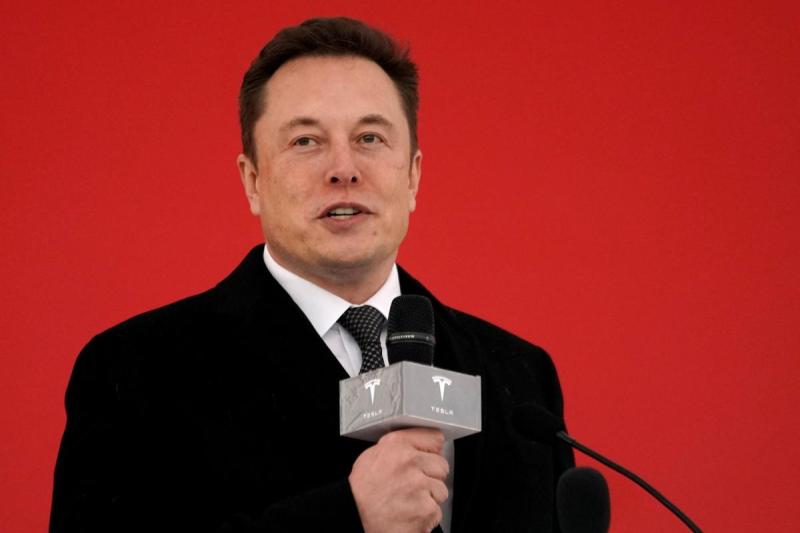
Antonio Gracias, a longtime Musk ally and SpaceX board member, has committed a combined $41 million through his family foundation to two separate psychedelic-related initiatives. Of that amount, $25 million was directed toward recapitalizing Lykos Therapeutics, a pharmaceutical company developing MDMA-assisted therapy for PTSD, while another $16 million went toward supporting psychedelic research at Harvard University. Other members of Musk’s network, including Steve Jurvetson and Musk’s brother Kimbal, have also supported psychedelic-related initiatives. However, the reported $41 million commitment came from Gracias, not Elon Musk himself.
The investment comes at a critical moment for MDMA research. Scientists have spent years investigating whether pharmaceutical-grade MDMA, administered alongside psychotherapy in a controlled clinical setting, could help people experiencing severe PTSD. A phase 3 clinical trial published in Nature Medicine in 2023 reported that 71.2% of participants receiving MDMA-assisted therapy no longer met the diagnostic criteria for PTSD at the end of the study, compared with 47.6% of those receiving placebo alongside therapy. While these results generated significant interest, researchers and regulators have also raised concerns about study design, safety reporting, and the need for additional evidence.
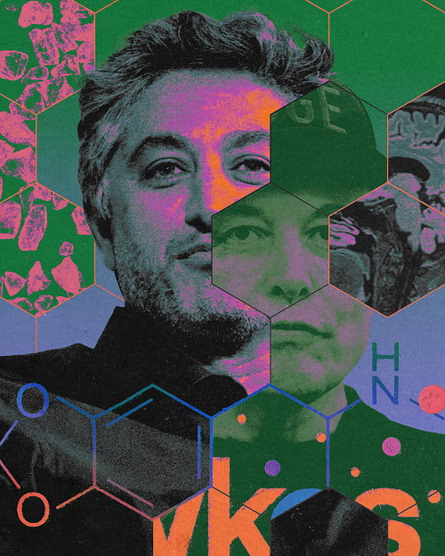
Despite the promising findings, MDMA-assisted therapy has faced regulatory challenges in the United States. In 2024, the Food and Drug Administration (FDA) declined to approve Lykos Therapeutics’ application, requesting further research to address outstanding concerns. The company subsequently reorganized and became Resilient Pharmaceuticals, continuing its efforts to develop the treatment and pursue regulatory approval. Meanwhile, other countries have begun allowing limited therapeutic access. Australia permits specifically authorized psychiatrists to prescribe MDMA for PTSD under strict conditions, while New Zealand announced additional limited prescribing authorizations in September 2026.
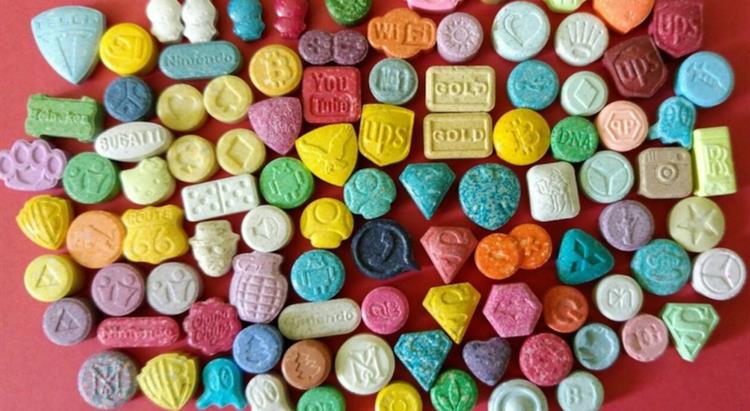
For the electronic music community, the development represents an interesting shift in the conversation surrounding a substance historically associated with rave culture. MDMA became closely linked to electronic dance music during the late 1980s and 1990s, particularly because of its effects on mood, energy, and social connection. However, the emerging field of MDMA-assisted therapy is fundamentally different from recreational use. Clinical treatment involves pharmaceutical-grade substances, patient screening, controlled administration, and professional medical supervision. Recreational MDMA use continues to carry serious health risks, including overheating, cardiovascular complications, and exposure to adulterated substances.

The growing interest in psychedelic medicine also extends far beyond MDMA. In July 2026, pharmaceutical giant Eli Lilly announced an agreement to acquire psychedelic-focused drug developer AtaiBeckley in a deal worth up to $3.8 billion, highlighting the scale of investment entering the field. Supporters believe psychedelic-assisted treatments could eventually provide additional options for patients who have not responded to conventional therapies, while regulators continue to emphasize the importance of reliable clinical evidence and appropriate safety safeguards.
With millions of dollars flowing into research and pharmaceutical companies paying closer attention, the future of MDMA-assisted therapy is becoming an increasingly prominent topic in medicine. Its potential remains subject to further clinical research and regulatory decisions, particularly in the United States. What was once discussed primarily in the context of rave culture is now part of a much larger scientific conversation, one that could influence how certain mental health conditions are treated in the years ahead.
Related News


Latest News
U.S. Government Investigates Streaming Fraud Involving Bots and AI-Generated Music
Oct 11
Head Trip Returns After Lightning Cancellation, Calvin Harris Rescheduled for Day 2
Oct 11

27-Year-Old Costa Rican Dies After Medical Emergency at EDC Colombia
Oct 11
Marlon Hoffstadt & David Guetta Drop “Caught Up”
Oct 09

Mau P Launches Baddest Behaviour Record Label
Oct 09
Trending
- 0127-Year-Old Costa Rican Dies After Medical Emergency at EDC ColombiaOct 11
- 02ADE 2026 DJ Contest Offers 8 Artists a Chance to Perform in AmsterdamOct 08
- 03Head Trip Returns After Lightning Cancellation, Calvin Harris Rescheduled for Day 2Oct 11
- 04U.S. Government Investigates Streaming Fraud Involving Bots and AI-Generated MusicOct 11
- 05Global Hitmaker HUGEL Unites With Icon David Guetta, Global Superstar French Montana, And Aidan Martin For The Star-Studded New Single “Shine”Jun 27