
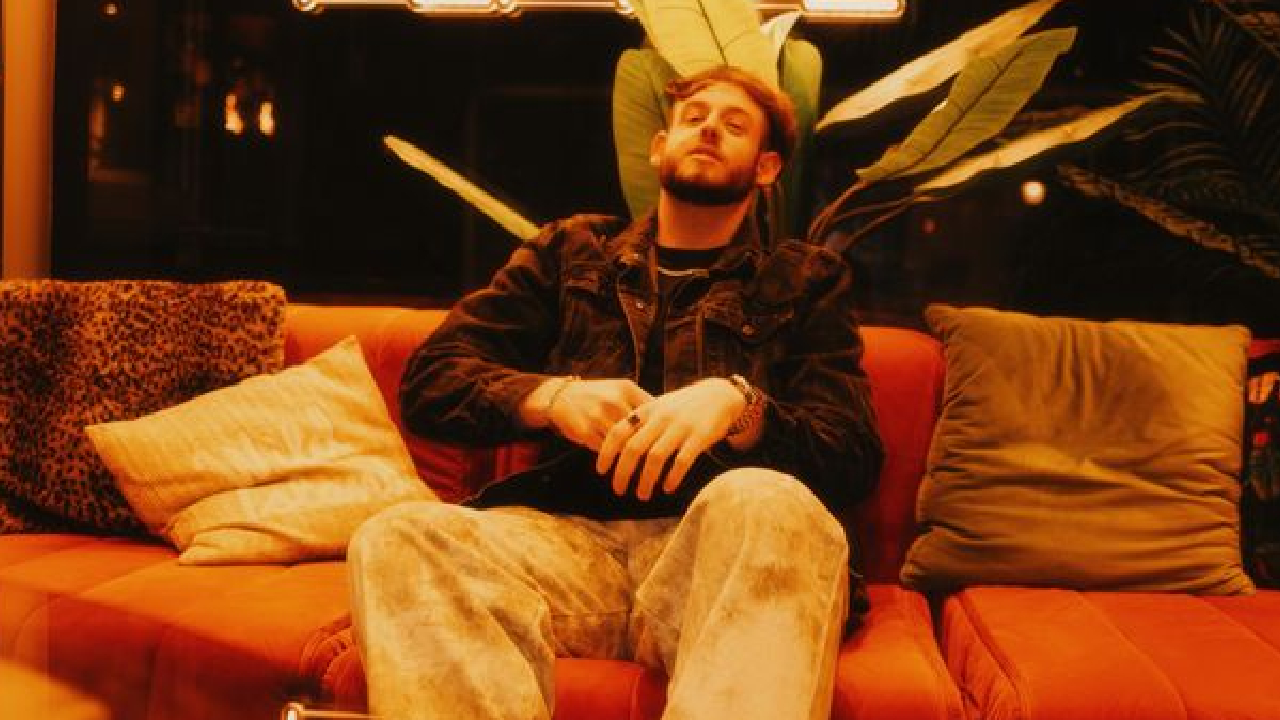
Ones To Watch: Whales Couldn't Live a Normal Life
WHALES’ story doesn’t start in music. It starts with a kid obsessed with creating anything on a computer. Photo edits, videos, random software, testing things for hours just to see what could be built. There was always this instinct to take pieces and remix them into something new.
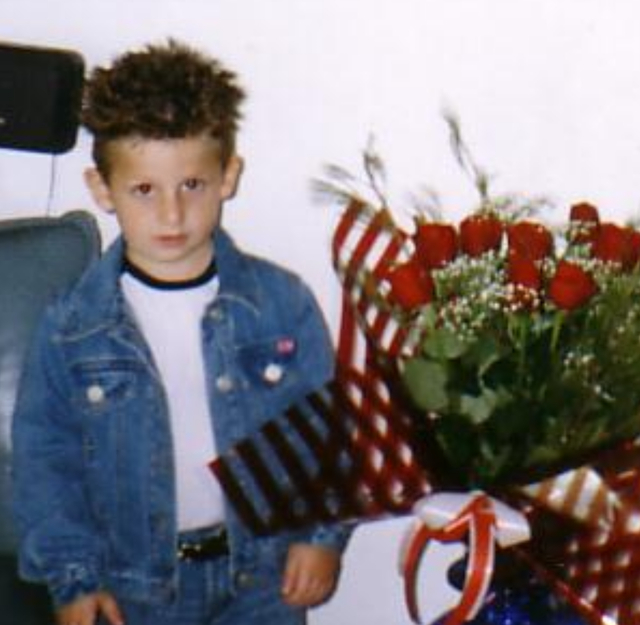
At 8 years old, things got more complicated. He was diagnosed with autism, and not long after with Tourette’s Syndrome and OCD. At the time, there wasn’t much understanding around any of it, so a big part of his childhood turned into trying to figure out what was “wrong” and how to fix it. Around that same period, on December 22, 2008, he discovered FL Studio through an online forum, even asking strangers how he could start making electronic music. That moment quietly set everything in motion.
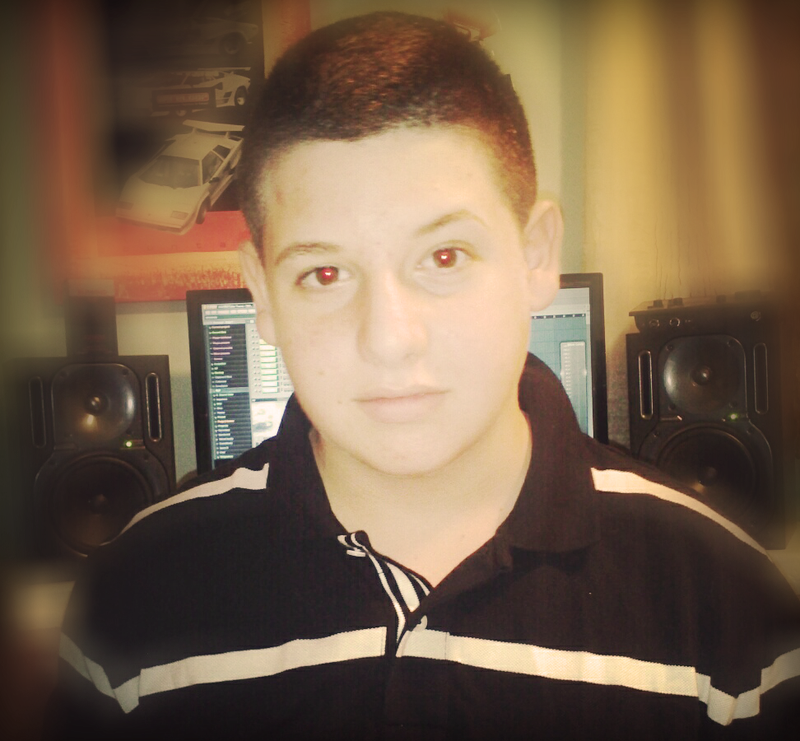
Music didn’t start as something serious. It felt more like a game. Dragging sounds around, testing ideas, exploring without any rules. But over time something became clear. Everything he did, even outside music, revolved around sound. Editing videos meant syncing perfectly to audio. Designing visuals meant thinking through music. Coding and experimenting always came back to it. Eventually it clicked that music was the only thing that truly made sense to him.
At the same time, life outside was getting harder. School environments didn’t understand him, and by around age 10 he had almost completely stopped attending. His world shifted online. Forums, conversations with producers from different countries, and long hours teaching himself through trial and error replaced everything else. It was isolating, but it built a very specific kind of independence and forced him to mature early.
Between 2008 and 2013 he explored multiple genres, releasing dozens of tracks under different aliases while trying to find his sound. Then he discovered dubstep. Artists like Skrillex and Borgore pulled him in completely, but there was a problem. He couldn’t make it. For nearly three years he kept trying and failing. At the time there were almost no tutorials, so everything came down to experimenting, breaking things, and starting over.
In 2013 he made a decision. If he couldn’t make dubstep, he would force himself to learn it. That decision led to the creation of Sex Whales on April 23, 2013. The name itself wasn’t deeply thought out, just something memorable with a strong visual identity built around the idea of whales. The early version of the project was raw, with empty social pages and a rough visual direction, but the intention was clear.
Once he committed, everything became obsessive. Within about ten days of nonstop experimenting, he released his first dubstep remix under the project. It was picked up by a promotional YouTube channel and gained a few thousand views, which was enough to show that something was working. Later that year he played his first show, closing the night, and from that point forward the process became consistent. Release music, send it everywhere, and keep going.
By 2014 he began to understand the power of collaboration. Working with other producers meant combining audiences and expanding reach. He connected with artists across SoundCloud, many older and more technically skilled, while he contributed creative direction and consistency. Those collaborations began attracting DJ support, and eventually he moved into releasing original music. One of the early moments that pushed things forward was “Sleeping in Class,” which gained traction on Dubstep.net and introduced his music to a wider audience.
At the same time, something unexpected helped accelerate everything. He started posting dubstep memes on Facebook, and that content spread quickly, bringing more people into his world and back to his music. While everything was growing online, his real-life situation was moving in the opposite direction. By around age 15, his Tourette’s had become extremely severe. His weight reached nearly 500 pounds, daily tasks became difficult, and he was taking over 30 medications that often conflicted with each other. He became completely dependent and mentally reached a very dark place.
The only time his symptoms would ease was when he was working on music, which is why he spent almost every waking moment producing. In mid-2015, at his lowest point physically and mentally, something shifted. His track “The Krusty Krab” began to take off, reaching over a million plays on SoundCloud and climbing to number two on the dubstep charts, sitting just below Skrillex. That exposure suddenly brought a much larger audience into his world.
Shortly after, he received a message from a promoter in Paris inviting him to play a show in two weeks. He had no team, very little experience traveling, and had never handled something like that alone, but he said yes. When he arrived, everything moved quickly. He was taken from the airport to a small hotel and then straight to the venue. He expected a small crowd similar to the shows he had played before, but instead there were around 1,500 people waiting, chanting his name and holding homemade merch.
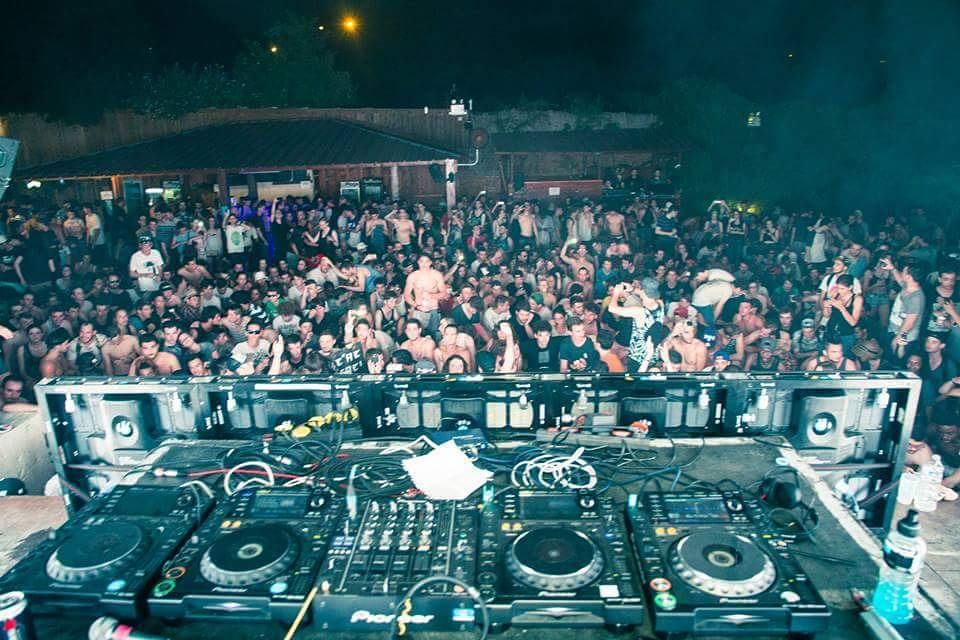
For the first time in his life, he wasn’t seen as the kid with health issues. He was someone people connected with. After the show, he went back to his hotel room and cried for hours. That moment completely changed his perspective. When he returned home, he made a decision to stop trying to live a version of life that never worked for him and to fully commit to music instead.
The following period became a phase of rapid growth. He released some of his biggest tracks, including “Dead To Me” and “We Are” which went on to accumulate hundreds of millions of streams. At the same time, his health began improving. He naturally lost around 300 pounds, and his symptoms became significantly more manageable. For the first time, he felt stable and in control.
Touring expanded internationally across Europe, Canada, and Asia, and by 2018, after a sold-out show in Montreal, he started thinking more seriously about the long-term future of the project. He realized that to reach the next level, especially in the United States, he would need a team. That realization led to a major transition. On June 29, 2018, Sex Whales officially became WHALES.
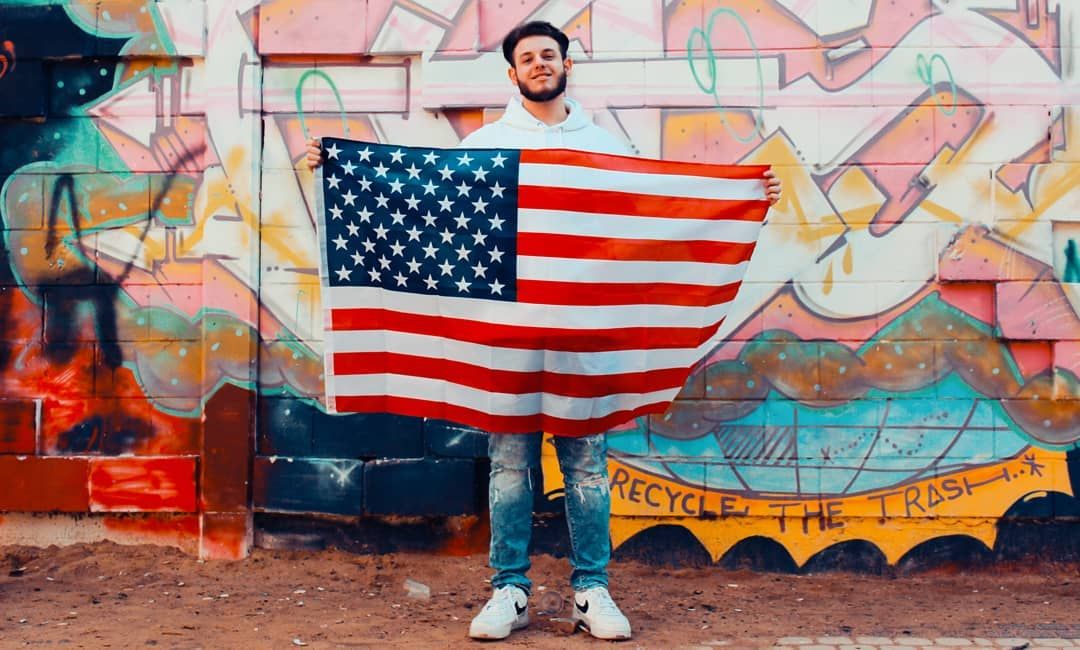
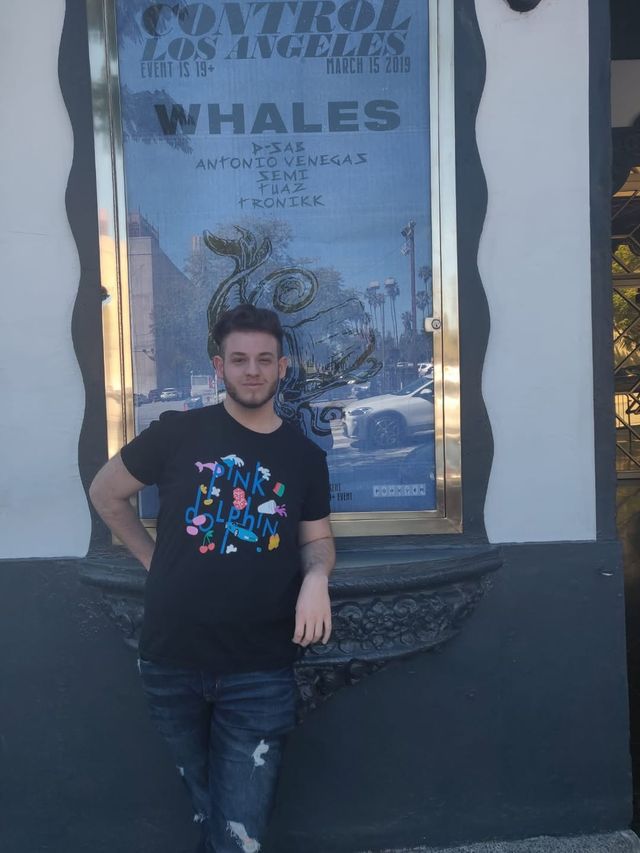
With structure in place, the project scaled quickly. He secured a U.S. artist visa, began releasing music through major labels, and performed his first headline show in the United States at Avalon in Los Angeles. He collaborated with artists such as Excision, Shaquille O’Neal, Borgore, and Kayzo, and his music began receiving coverage from outlets like Forbes, BBC, and UKF. From the outside, everything looked established.
By 2022, however, something shifted internally. Despite the success, he began to feel disconnected from the music. The focus had moved toward industry expectations rather than the passion that originally drove everything. Then in 2024, everything collapsed when both his management and agency dropped him. Once again, he was left without a team.
At that point, he had two options. Walk away or rebuild. He chose to rebuild. For the first time, he stopped filtering himself and began showing his real personality online, including openly embracing his autism. What he had once been told might push people away ended up doing the opposite, strengthening the connection with his audience.
Around that time, he introduced a new direction with the concept “MAKE DUBSTEP ABOUT PARTYING AGAIN” bringing the focus back to the energy and chaos that originally defined the genre. He began releasing consistently and posting multiple times a day. Within about 15 months, his TikTok grew from 1,000 followers to over 1.1 million. Without a team, he organized a 30-date U.S. tour and sold out around 70 percent of the shows, including cities where he had previously struggled to sell tickets.
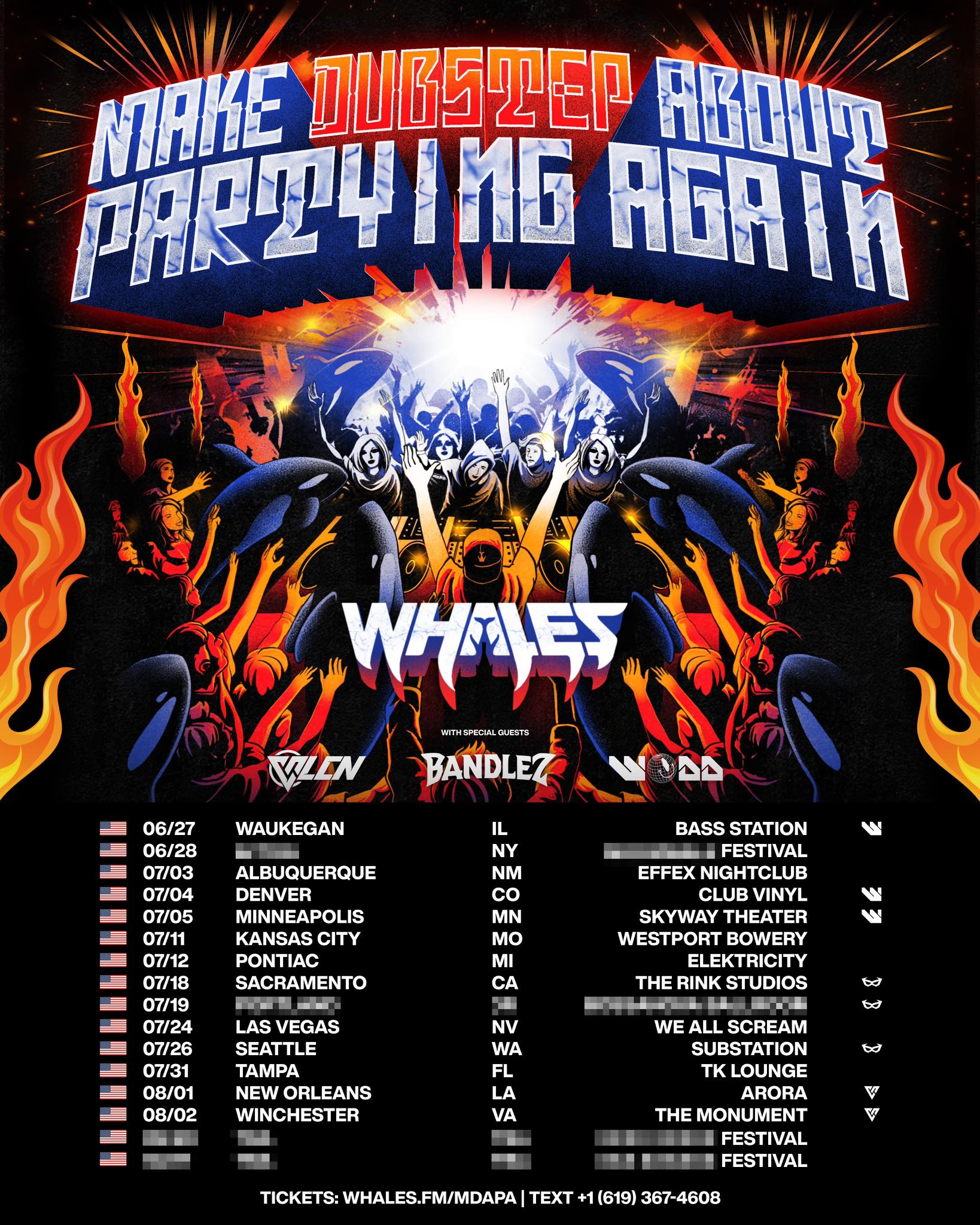
More importantly, he rebuilt the connection with his audience. Now, as he moves into the next phase, WHALES is preparing for what is set to be the biggest year of his career since the project began. With a new agent, larger tours, festival debuts, and a complete rebrand planned for 2026, everything is aligned for a new chapter shaped by everything he has experienced.
Looking back, the journey feels intentional. The struggles with disability, the isolation, and the moments where everything nearly stopped all played a role in shaping what WHALES represents today. Because at its core, this was never just about music. It was about showing that being different is not something to fix, but something that can become your greatest strength.
FOLLOW WHALES
INSTAGRAM | TIKTOK | SPOTIFY | SOUNDCLOUD | YOUTUBE
Artists
Related artist
Whales
Related News
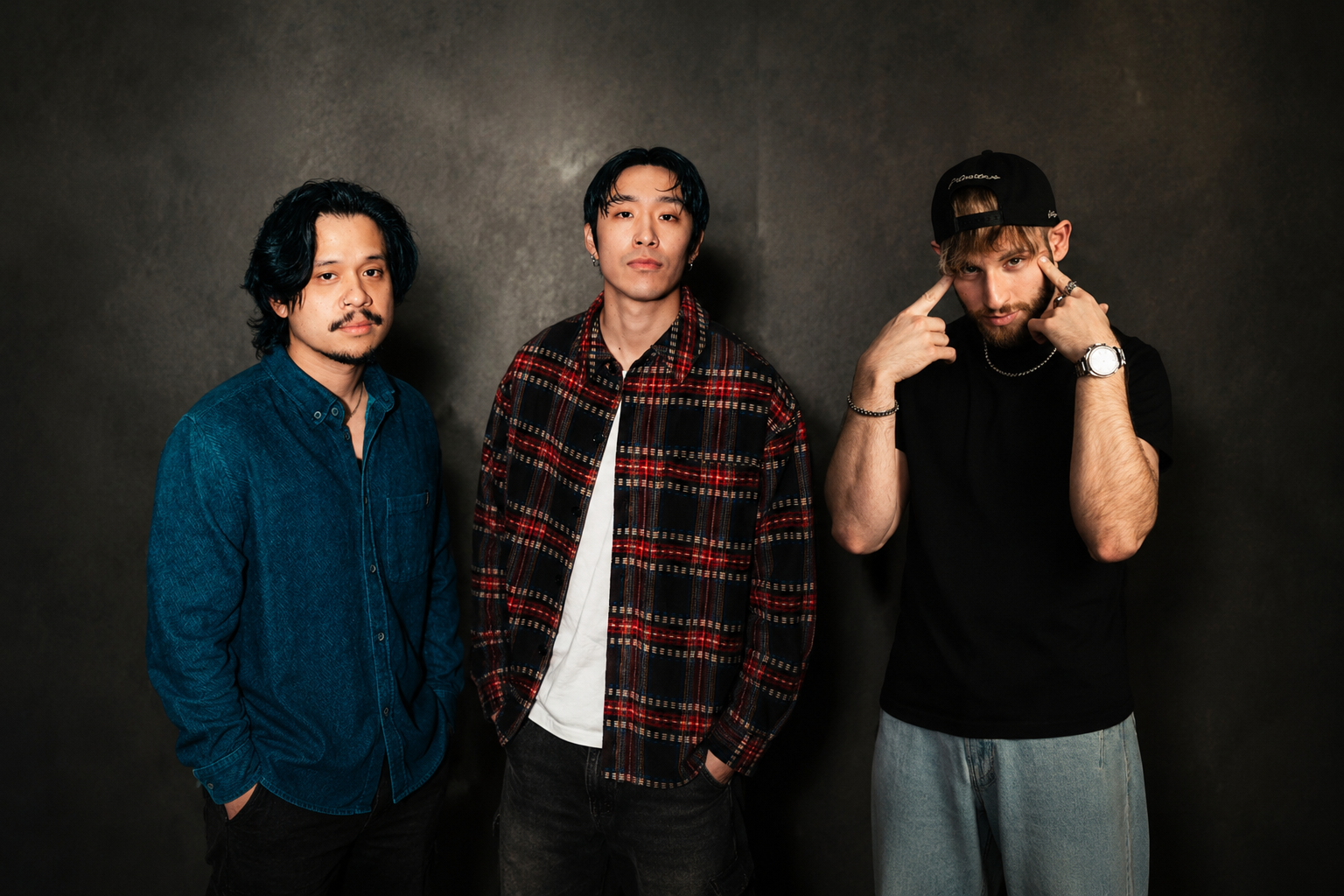
Monstercat’s Armnhmr & Whales Team Up With Adalaide Adams To Take On NCS Heavyweights Lost Sky & Chris Linton In “Hit The Feels” Showdown
Aug 28
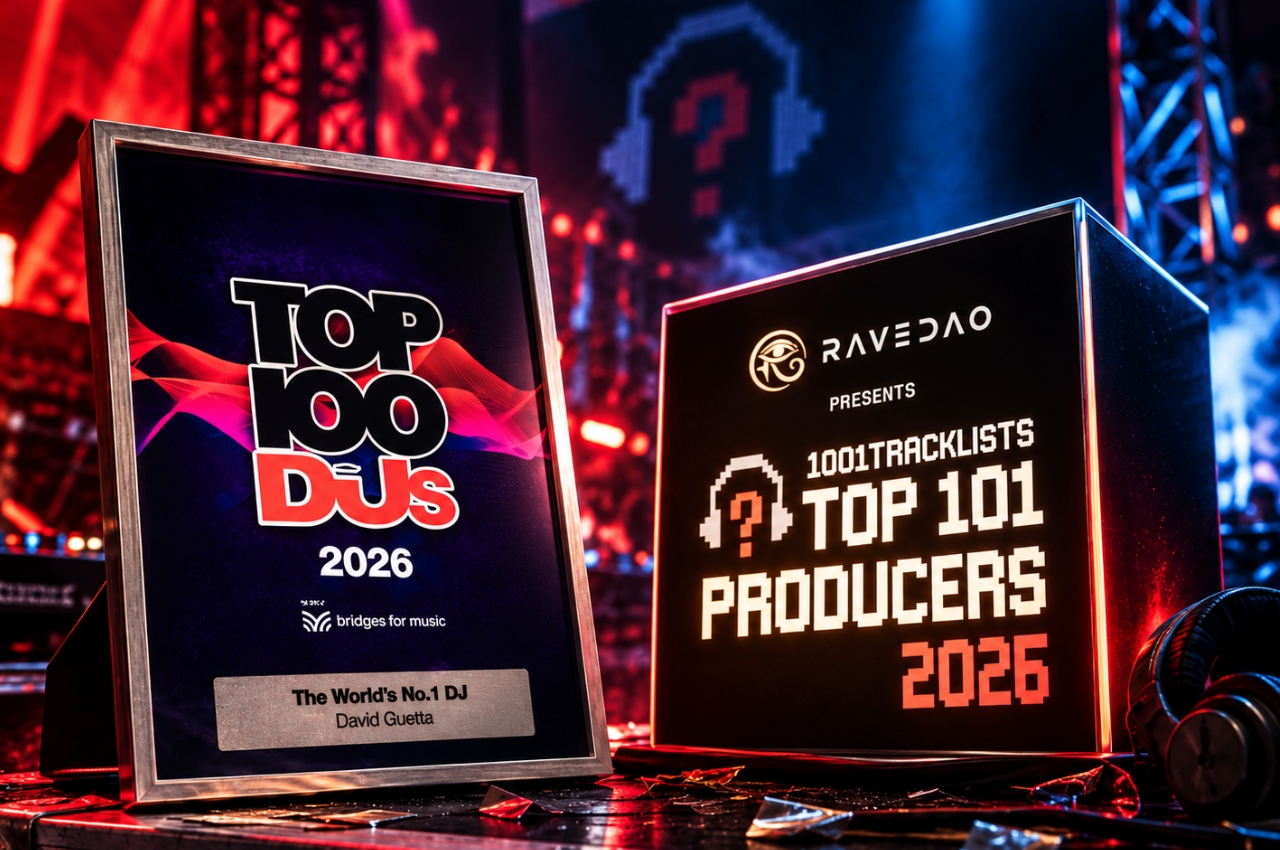
DJ Mag vs. 1001Tracklists: Which Ranking Actually Matters More?
Oct 19
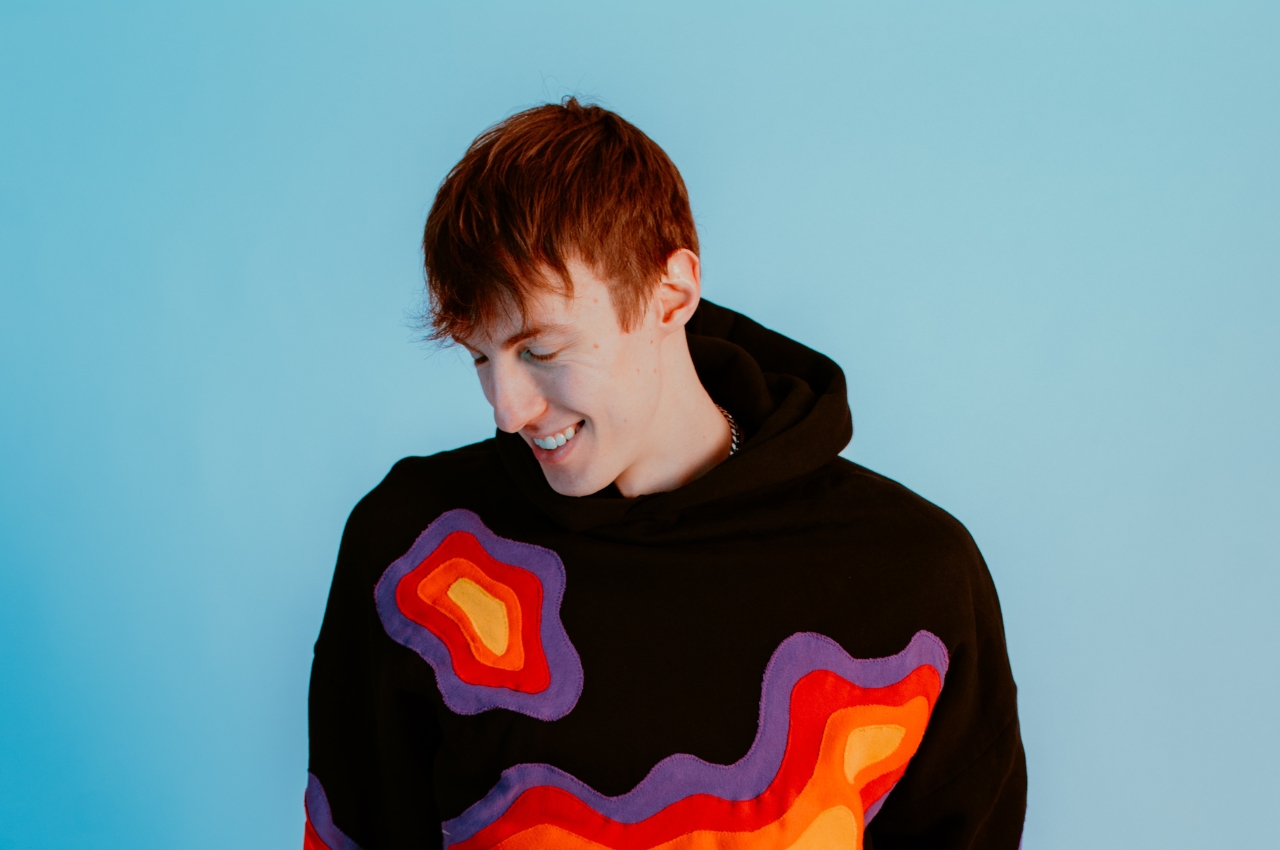
Cyclops Announces Massive 360-Degree "Eye Witness" North American Tour
Oct 16
Latest News
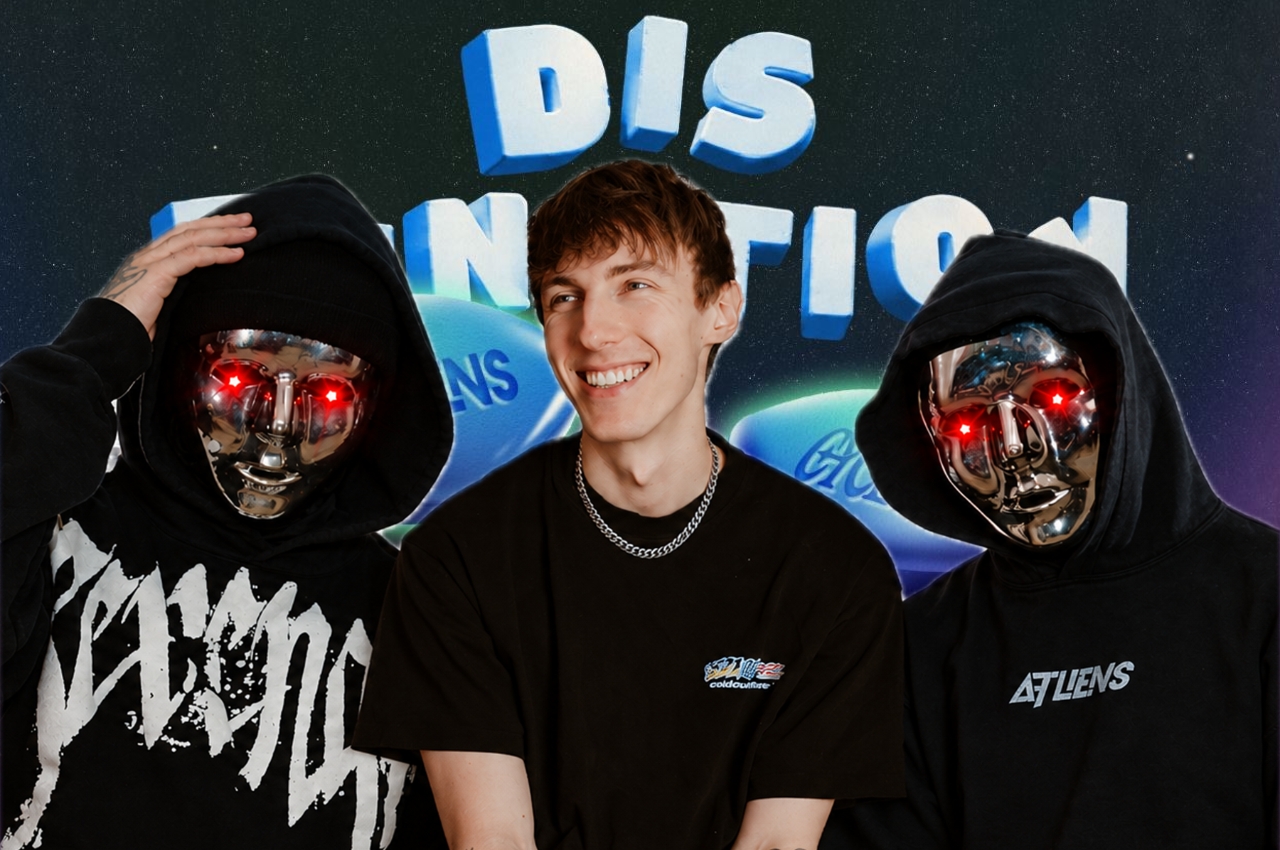
Cyclops and ATLiens Turn Viral Meme Into Dubstep Weapon With New Collab "DIS FUNCTION"
Oct 16
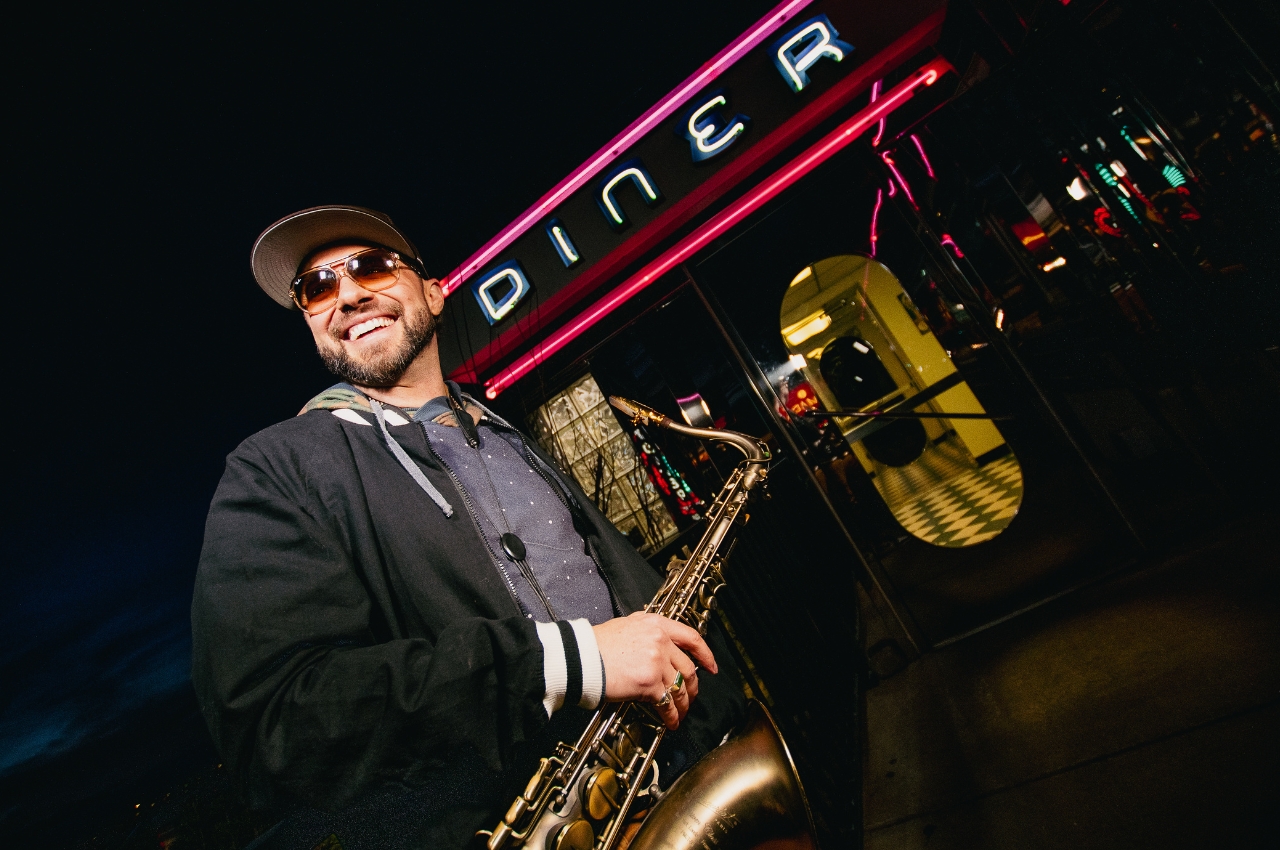
SoDown Blends Vintage Film and Heavy Bass on New Album 'Scenes of Consciousness'
Oct 16
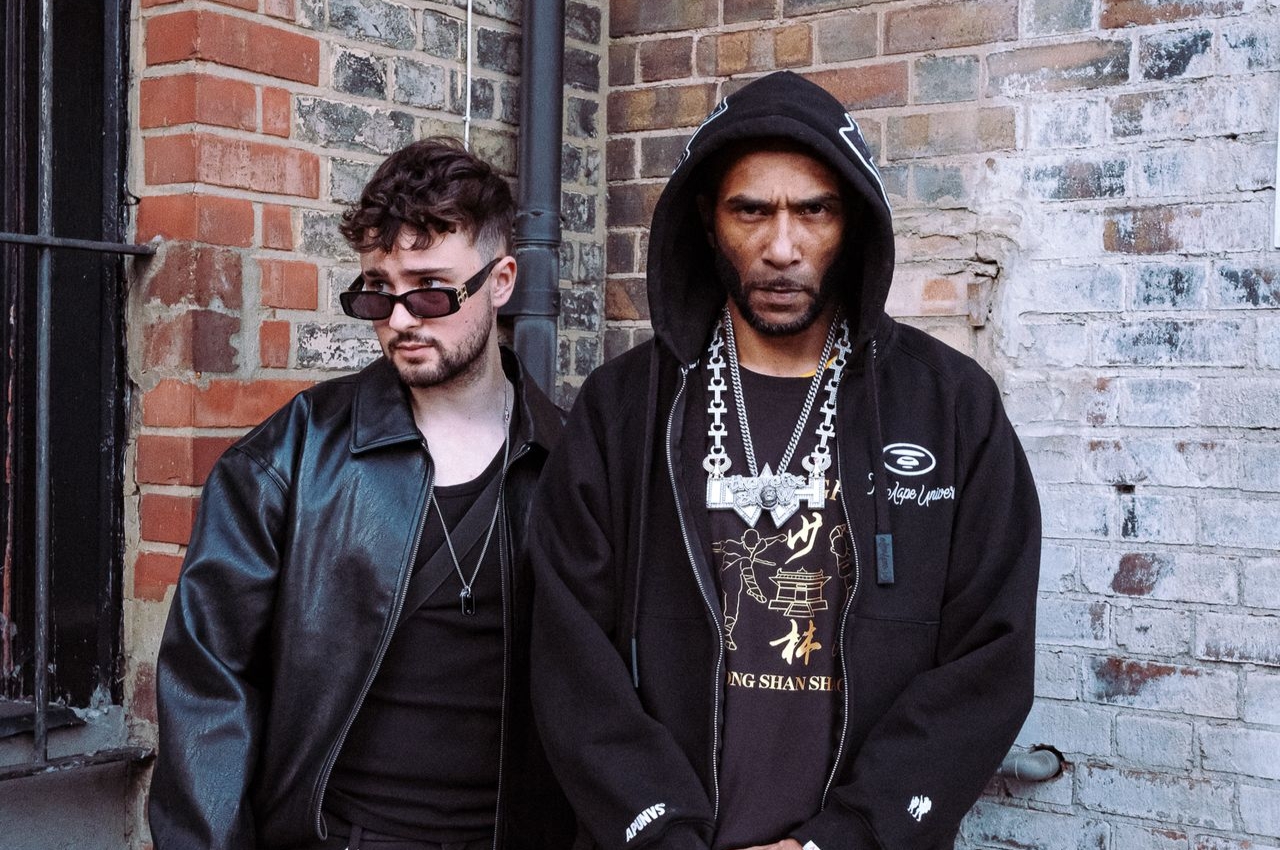
Arcando Announces Debut Album 'Inception' and Gritty New Single With IRAH
Oct 16
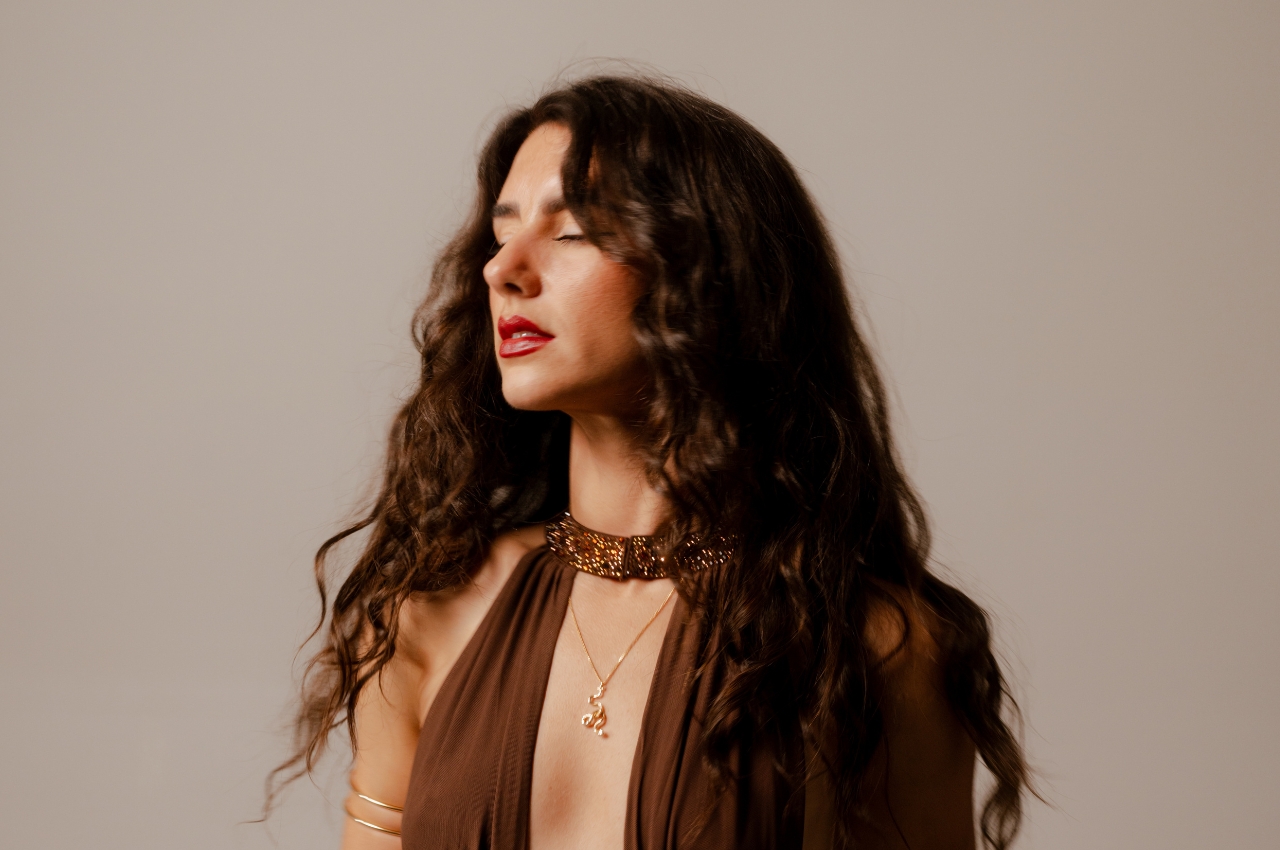
Zen Selekta Pays Homage to Soundsystem Culture with Deadbeats Debut "All Massive"
Oct 16
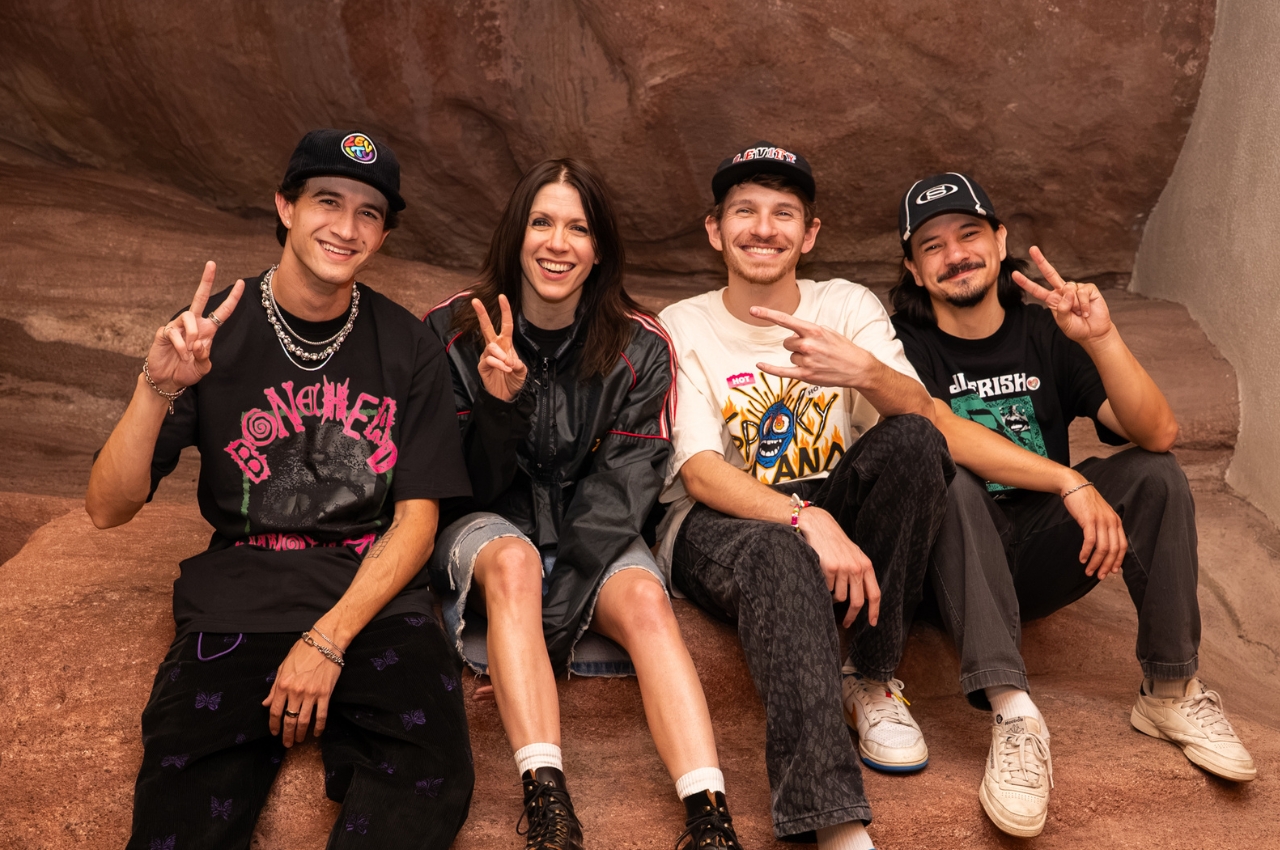
Levity Bridges Bass and Alternative Rock on New Crossover Single "Slipping Away" with K.Flay
Oct 16
Trending
- 01Riordan, Danny P And Caleb Laurenson Reimagine AlunaGeorge’s Classic Track “Best Be Believing”Jun 22
- 02ADE 2026 DJ Contest Offers 8 Artists a Chance to Perform in AmsterdamOct 08
- 03Adam Vanzel Brings Late-Night Tech House Energy to “Reach”Aug 17
- 04DJ Mag vs. 1001Tracklists: Which Ranking Actually Matters More?Oct 19
- 05Arcando Announces Debut Album 'Inception' and Gritty New Single With IRAHOct 16