
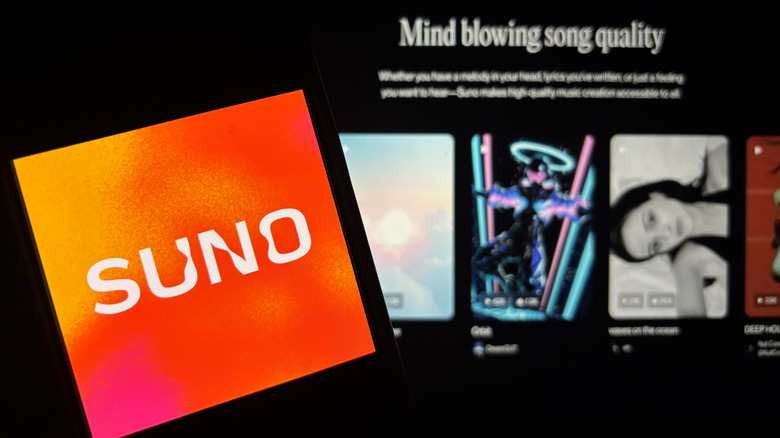
AI Music Platform Suno Scraped Song Data From YouTube, Deezer, and Genius, Hack Reveals
A newly reported security breach has allegedly exposed internal files showing how Suno collected millions of songs and lyrics to train its AI music generator.
Suno, one of the world's largest AI music platforms, is facing renewed scrutiny after a reported security breach exposed internal documents detailing how the company built its training datasets.
According to an investigation by 404 Media, the leaked files include source code, internal documentation, and scraping instructions that allegedly show Suno collected audio and lyrics from platforms including YouTube Music, Deezer, Genius, Pond5, Jamendo, Freesound, and the International Music Score Library Project (IMSLP).
One internal document reportedly indicates that Suno had processed 2,013,545 YouTube Music clips at the time the file was last updated, offering one of the clearest public insights yet into the scale of the company's AI training data.
Millions of Songs Used to Train AI

The leaked materials reportedly reveal automated systems designed to collect music and metadata from multiple online platforms.
Beyond YouTube Music, the files reference datasets gathered from Deezer, Genius, stock music libraries, public audio archives, and even podcast feeds. Other code reportedly searched specifically for a cappella versions of songs, potentially allowing Suno's models to better learn vocal melodies, harmonies, pronunciation, and singing styles.
The documents also reference Bright Data, a third-party web data company that may have been used to assist with collecting information from online sources.
While the leaked files appear to describe how data was gathered, they do not necessarily confirm that every collected file was ultimately included in Suno's production AI models.
Copyright Battle Continues

The revelations come as Suno remains at the center of multiple copyright lawsuits brought by major record labels.
The Recording Industry Association of America (RIAA) alleges that Suno trained its AI using copyrighted recordings without permission and unlawfully obtained music from YouTube through a process commonly referred to as "stream ripping."
Suno has acknowledged that its AI models were trained using publicly available music files found on the open internet but argues that doing so is protected under the United States' fair use doctrine.
Whether courts agree with that interpretation could shape the future of AI-generated music across the entire industry.
Suno Responds

In a statement provided to multiple media outlets, Suno confirmed that it experienced what it described as a "limited security incident" in November 2025.
The company said the breach was quickly contained and primarily exposed outdated source code that is no longer used by the platform.
"As we have stated in public filings and disclosures, Suno's AI models have been trained on publicly available music files and related metadata accessible on third-party websites on the open Internet," a Suno spokesperson said.
The company also stated that no sensitive personal information or complete customer credit card numbers were compromised during the incident.
Why This Matters

Artificial intelligence has become one of the biggest debates in the music industry.
Companies developing AI music generators require enormous datasets to teach their models how songs are written, produced, and performed. Artists, songwriters, and record labels argue that copyrighted works should not be used without permission or compensation, while AI companies maintain that analyzing publicly available material can qualify as fair use.
If authenticated, the leaked documents could provide the strongest evidence yet of how one of the industry's leading AI music platforms assembled its training datasets.
As lawsuits continue to move through the courts, the outcome could have lasting implications for artists, record labels, streaming platforms, and the future of AI-generated music itself.
Related News

Latest News

Marlon Hoffstadt & David Guetta Drop “Caught Up”
Oct 09

Skilah Turns Up the Heat with High-Octane Tech House Edit "GOMF BUT LOUDER"
Oct 09
Selfiat Releases Dancefloor DnB Cut “Never Be Alone” via EDMArmy Records
Oct 09
GENESI Brings Extended Set to New York’s Knockdown Center This October
Oct 09
ADE 2026 DJ Contest Offers 8 Artists a Chance to Perform in Amsterdam
Oct 08
Trending
- 01NEKTER GUN Turns Jersey Shore Nights Into UK Garage on “Hold Me Close”Oct 05
- 02ADE 2026 DJ Contest Offers 8 Artists a Chance to Perform in AmsterdamOct 08
- 03Sara Landry’s Company Sues Former Management Over Hekate Records and Trademark RightsOct 08
- 04Dillon Francis Embraces Melodic Euphoria in Heartfelt New Single "Fall"Oct 08
- 05Insomniac Secures $10 Million to Build Permanent New Venue in Las VegasSep 24