
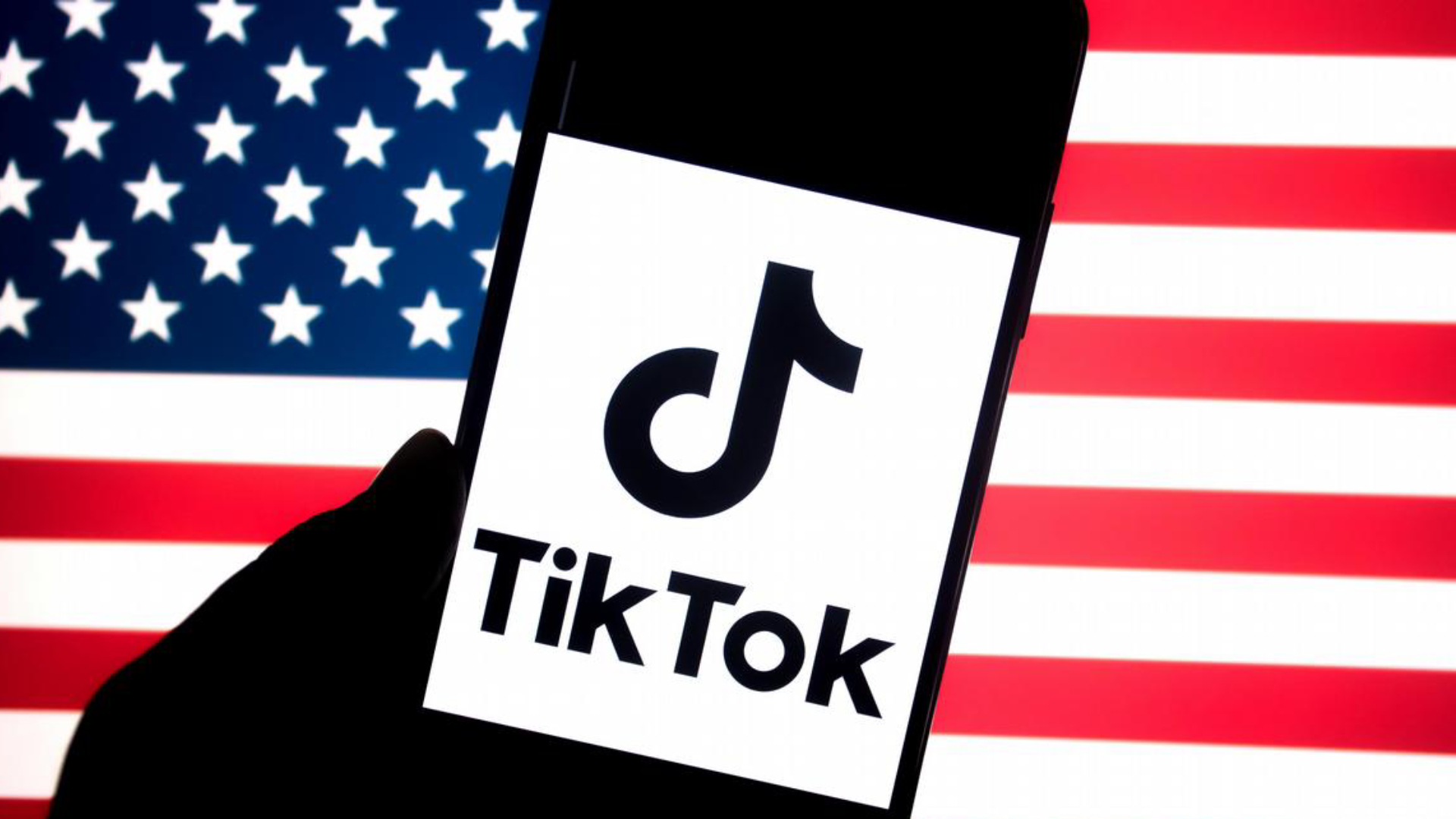
TikTok Faces U.S. Shutdown Amid Supreme Court Debate
TikTok has announced that it may shut down its operations in the United States by January 19 if the Supreme Court does not strike down or delay the enforcement of a new law requiring the platform’s sale by its Chinese parent company, ByteDance. The app, used by nearly half the U.S. population, finds itself at the center of one of the most significant legal battles of the digital age, where free speech and national security collide.
A Free Speech vs. Security Debate
The contested law, supported by President Joe Biden’s administration and passed with bipartisan support in Congress in April 2023, argues that Chinese control of TikTok poses a major national security threat. U.S. officials claim that Chinese authorities could compel ByteDance to share user data or manipulate content to influence public opinion. However, the government has admitted it has no evidence of such misuse by China.
TikTok, its creators, and its users assert that the law is a severe violation of the First Amendment. “Rarely has the court faced a free speech case affecting so many people,” lawyers for the app’s users stated. Many creators fear that their livelihoods will be upended if the app is banned, and they are exploring alternative platforms.
Political and Legal Complexities
The case comes at a politically sensitive moment, just days before a new presidential administration is set to take office in January. President-elect Donald Trump has requested the Supreme Court delay implementing the law, arguing he could negotiate a “political resolution” that saves the platform while addressing security concerns. However, the Biden administration, represented by Solicitor General Elizabeth Prelogar, remains firm in its defense of the law.
Potential Fallout
If the law is enacted, TikTok stands to lose a third of its U.S. daily user base within a month, along with substantial advertising revenue. The Supreme Court will also have to decide how rigorously the law will be reviewed. Under “strict scrutiny”—the most rigorous standard—laws like this one are rarely upheld.
The case highlights the judiciary’s increasing role in resolving disputes involving technology and digital expression, areas where judges admit they lack significant expertise.
Related News
Latest News
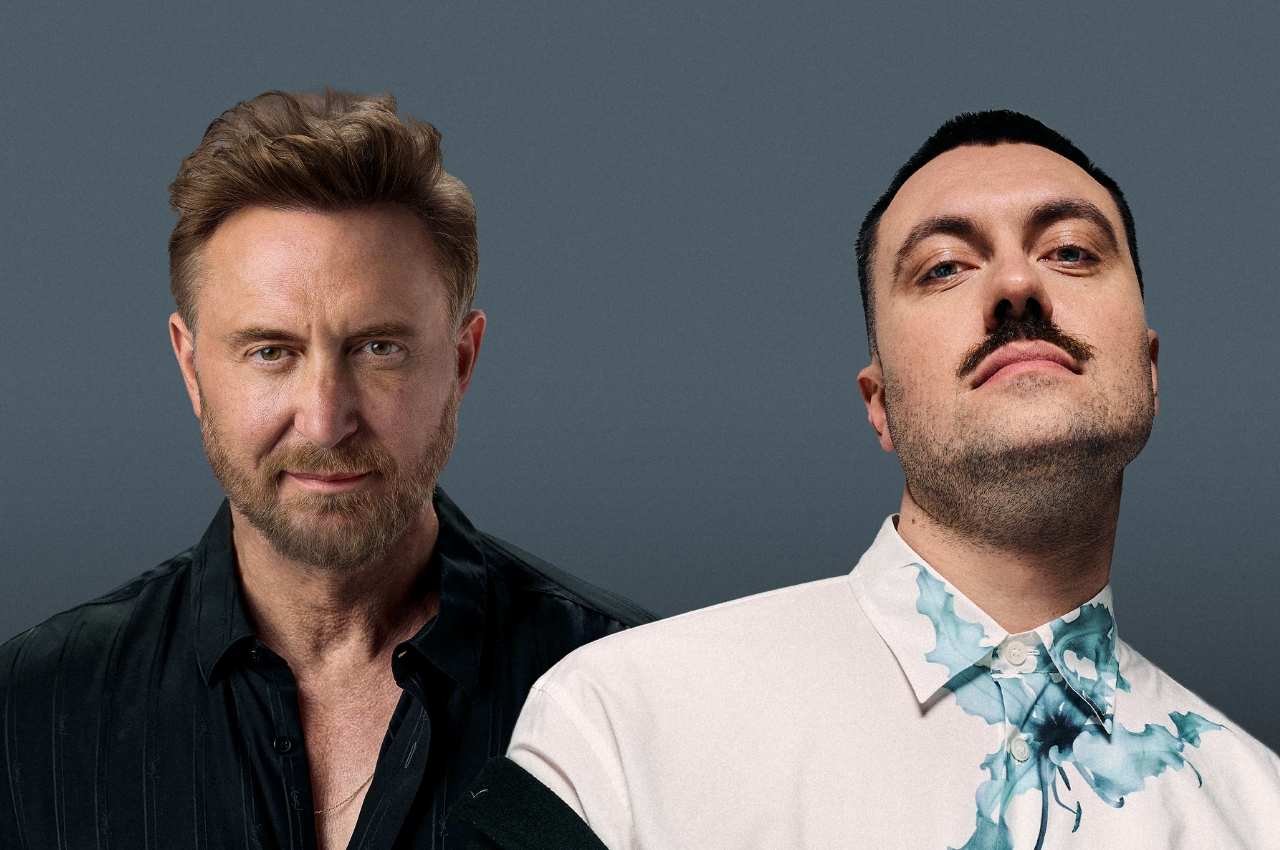
Marlon Hoffstadt & David Guetta Drop “Caught Up”
Oct 09

Mau P Launches Baddest Behaviour Record Label
Oct 09

Skilah Turns Up the Heat with High-Octane Tech House Edit "GOMF BUT LOUDER"
Oct 09
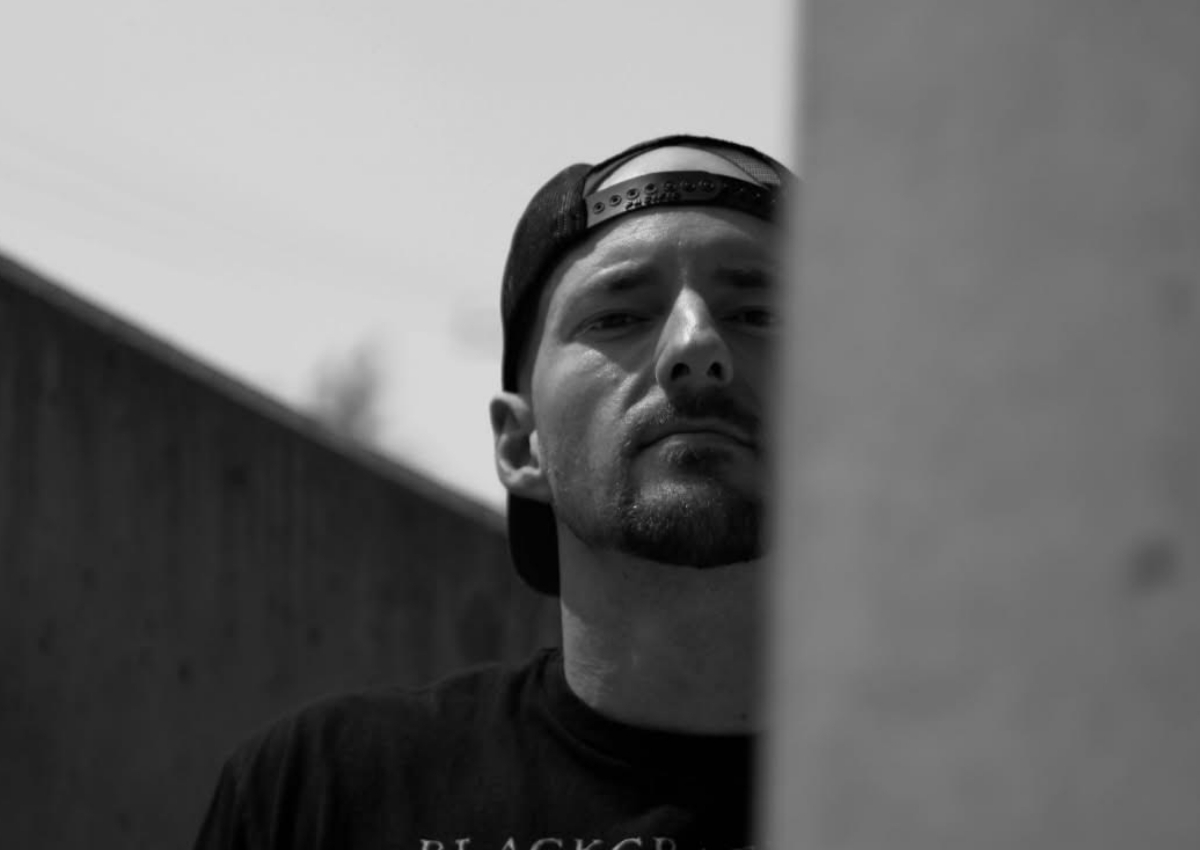
Selfiat Releases Dancefloor DnB Cut “Never Be Alone” via EDMArmy Records
Oct 09
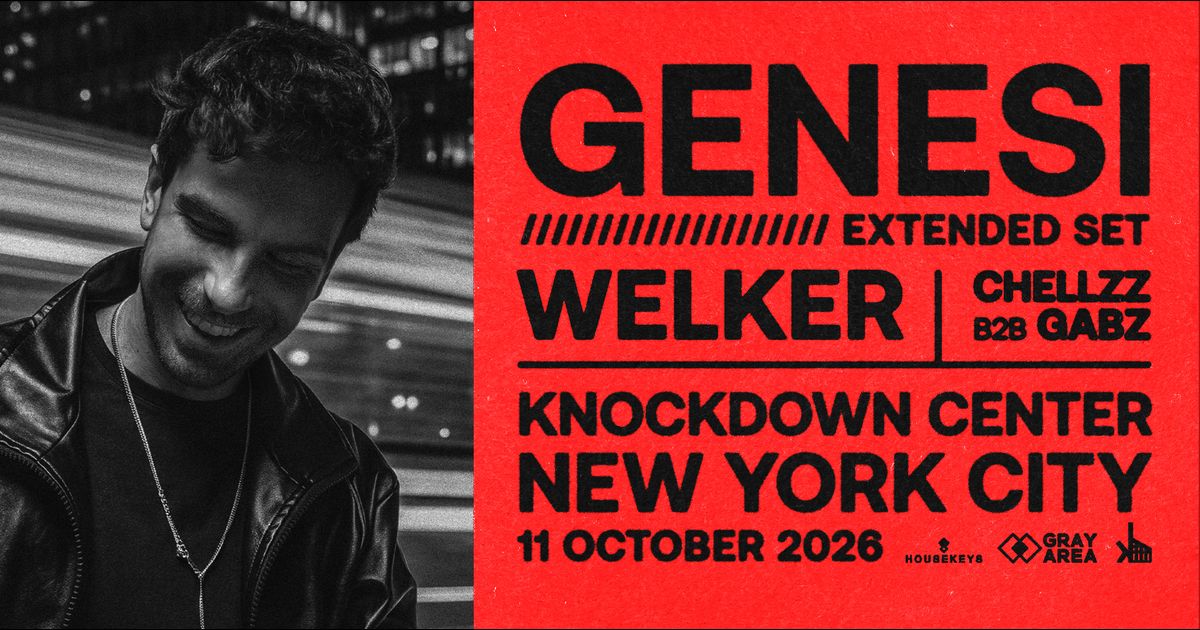
GENESI Brings Extended Set to New York’s Knockdown Center This October
Oct 09
Trending
- 0127-Year-Old Costa Rican Dies After Medical Emergency at EDC ColombiaOct 11
- 02ADE 2026 DJ Contest Offers 8 Artists a Chance to Perform in AmsterdamOct 08
- 03Head Trip Returns After Lightning Cancellation, Calvin Harris Rescheduled for Day 2Oct 11
- 04U.S. Government Investigates Streaming Fraud Involving Bots and AI-Generated MusicOct 11
- 05Mau P Launches Baddest Behaviour Record LabelOct 09