
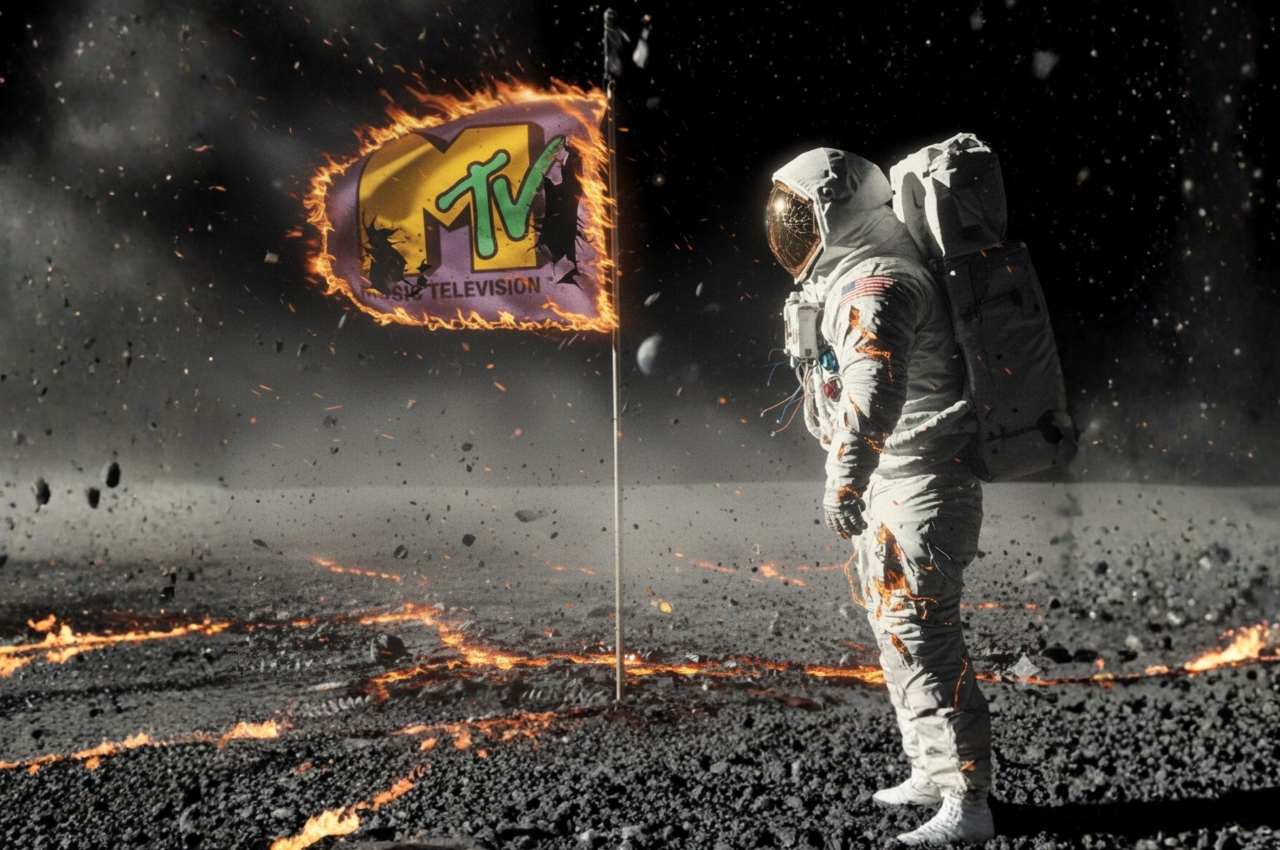
The MTV Era Is Over: How the Digital Format Killed the Model It Created
For nearly four decades, MTV was more than a TV channel — it was the cultural pulse of an entire generation. It turned music into something you didn’t just hear, but saw, lived, and wore. It gave artists faces, gave youth identity, and turned sound into spectacle. But like every revolution, it created the conditions for its own extinction. The network that changed how the world consumed culture eventually taught the world how to do it without it.
When MTV launched in 1981, its debut — “Video Killed the Radio Star” — was more than a catchy hook. It was prophecy. Suddenly, music had a visual language, and image became inseparable from sound. Through the ‘80s and ‘90s, MTV didn’t just reflect pop culture; it engineered it. From Thriller’s cinematic premiere to Nirvana’s Unplugged, the network transformed moments into movements, dictating what was cool, what mattered, and who would make it from underground to mainstream. For a long time, it wasn’t just television — it was the internet before the internet.
Then the web came along and stole the playbook. YouTube ended the ritual of waiting for a VJ to play your favorite track. Suddenly, every viewer became their own programmer. The feed replaced the schedule, and the algorithm replaced the curator. Watching music stopped being a shared ritual and became an endless habit. TikTok finished the transformation — the three-minute video became a fifteen-second loop, and every user became their own MTV. What once required a massive studio could now happen in the palm of your hand.
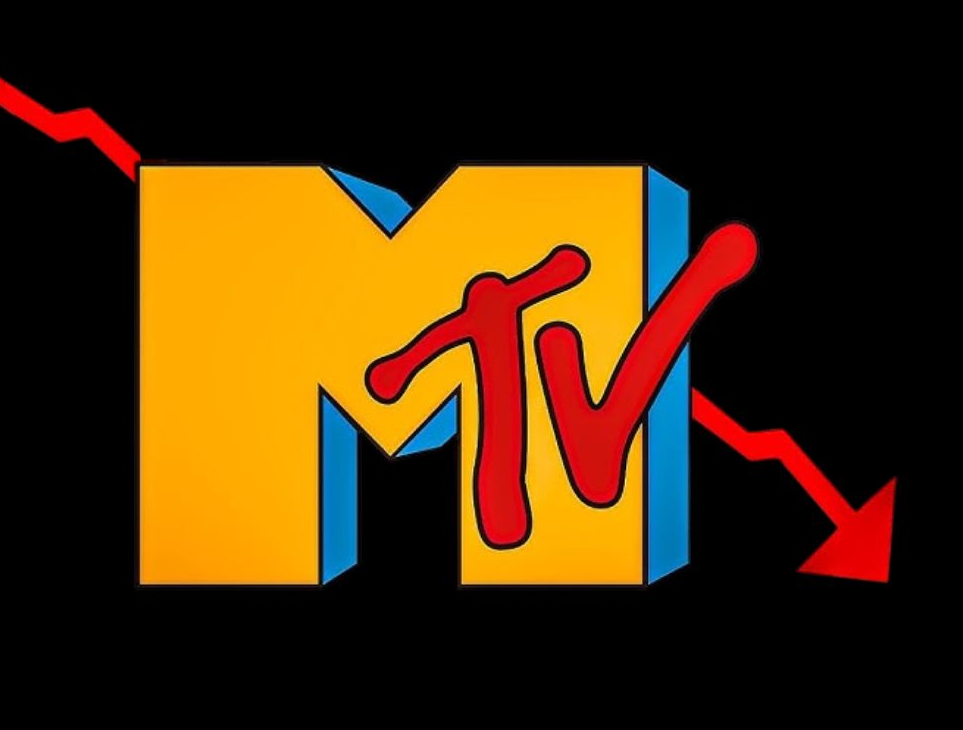
So when Paramount Global announced in 2025 that it would shut down MTV’s UK music channels, it barely made noise. But it was a quiet ending for something that had already outlived its format. MTV didn’t collapse because it failed — it dissolved because it succeeded too well. The aesthetic it invented — fast cuts, emotional storytelling, image as identity — became the language of the internet itself. The network no longer needed to exist because its DNA had already taken over every screen.
The biggest change wasn’t just in how we watch but in who decides what’s worth watching. MTV’s VJs were cultural translators — human tastemakers who gave meaning to chaos. Now, code makes the call. The algorithm doesn’t care what matters; it only cares what keeps you watching. We gained freedom and lost focus. We see everything, but rarely together. What was once a communal experience became an endless scroll of isolation disguised as connection.
And yet, MTV’s spirit still lives on. Every viral clip, every trending sound, every creator syncing movement to music — all of it echoes the same discovery MTV made in 1981: that sound becomes powerful when it’s seen. The only difference is that you no longer need a network. All you need is a phone. The music never stopped; it just left the channel. And maybe that’s the most fitting ending for MTV — to have created a world so in tune with its vision that it no longer needed to exist to broadcast it.
follow EDMarmy
Related News

Latest News
Marlon Hoffstadt & David Guetta Drop “Caught Up”
Oct 09

Mau P Launches Baddest Behaviour Record Label
Oct 09

Skilah Turns Up the Heat with High-Octane Tech House Edit "GOMF BUT LOUDER"
Oct 09
Selfiat Releases Dancefloor DnB Cut “Never Be Alone” via EDMArmy Records
Oct 09
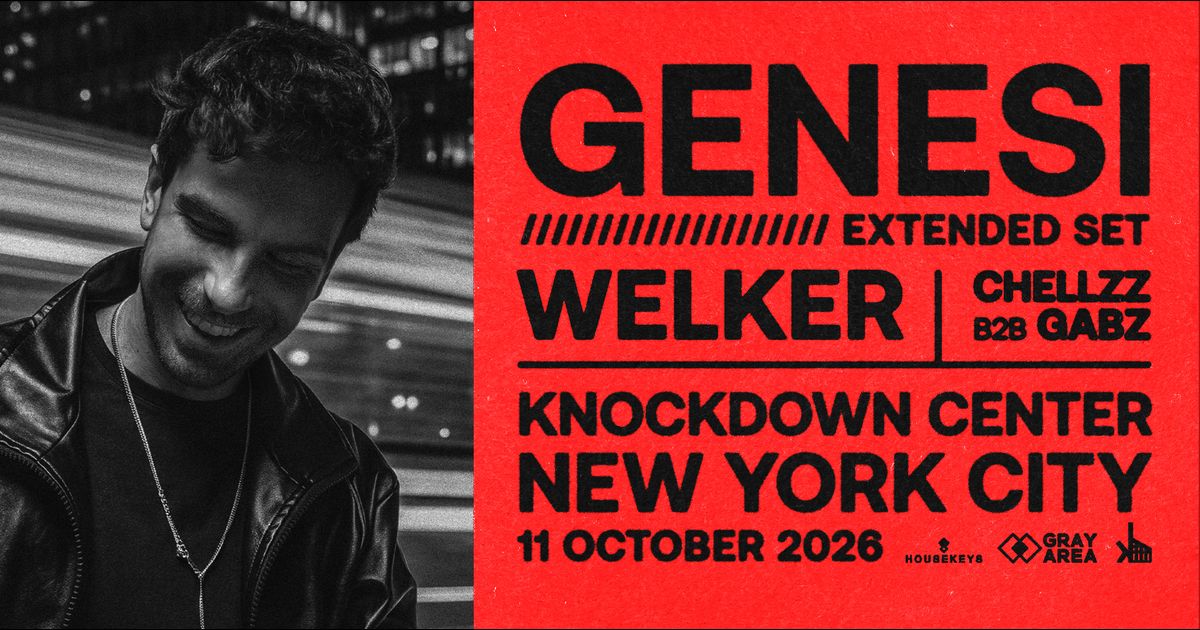
GENESI Brings Extended Set to New York’s Knockdown Center This October
Oct 09
Trending
- 0127-Year-Old Costa Rican Dies After Medical Emergency at EDC ColombiaOct 11
- 02ADE 2026 DJ Contest Offers 8 Artists a Chance to Perform in AmsterdamOct 08
- 03Head Trip Returns After Lightning Cancellation, Calvin Harris Rescheduled for Day 2Oct 11
- 04U.S. Government Investigates Streaming Fraud Involving Bots and AI-Generated MusicOct 11
- 05Mau P Launches Baddest Behaviour Record LabelOct 09