
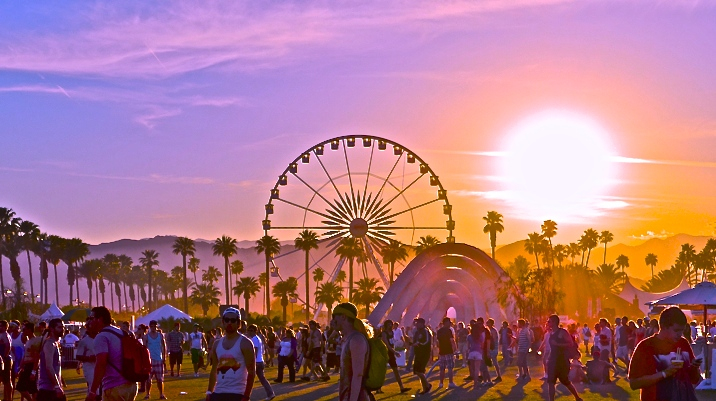
Coachella Was Built to Escape the System… Now It Lives Inside It
The story of Coachella does not begin as a glamorous desert festival. It begins during a time when the live music industry in the United States was already highly structured and centralized, particularly around companies like Ticketmaster. Throughout the 1990s, Ticketmaster secured exclusive agreements with a large number of major venues, meaning that artists who wanted to tour at scale had to operate within that system, often with very limited control.
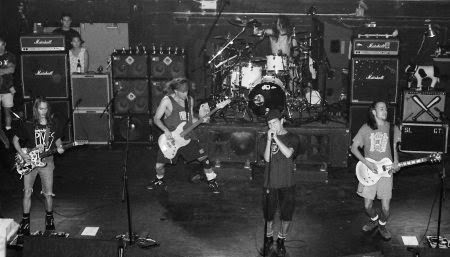
This model gradually created tension. Ticket prices were rising, additional fees were being added, and many artists had little influence over how their own shows were monetized. One of the most well-known examples was Pearl Jam, who in 1994 publicly challenged Ticketmaster. The band refused to use the platform and brought the issue to the U.S. Congress, arguing that the company held monopolistic control over ticketing and limited competition within the industry.
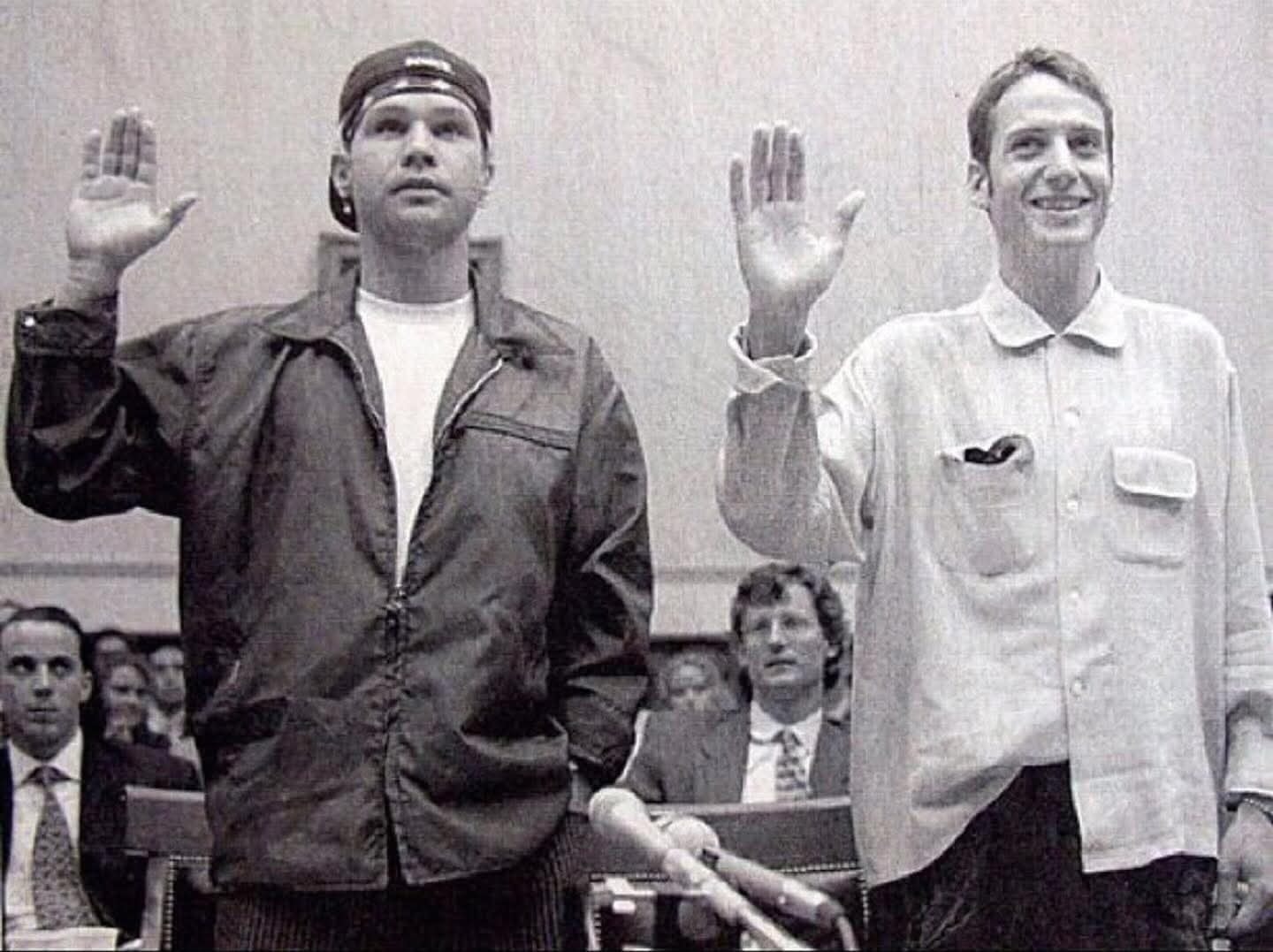
The outcome, however, did not change the system. Instead, it revealed how dependent the industry had become on that structure. Without access to venues connected to Ticketmaster, Pearl Jam struggled to sustain a full national tour. Shows were cancelled, routing became unstable, and it became clear that opposing the system was far more difficult than expected. The issue was no longer just about pricing, but about how deeply embedded that infrastructure had become.
At the same time, a quieter shift was taking place. Artists and promoters began exploring alternatives, not by confronting the system directly, but by thinking outside of it. New locations, new formats, and new approaches to live events started to emerge. Earlier moments, such as a 1993 performance by Rage Against the Machine at the Empire Polo Club, helped demonstrate that large audiences were willing to travel beyond traditional urban venues.
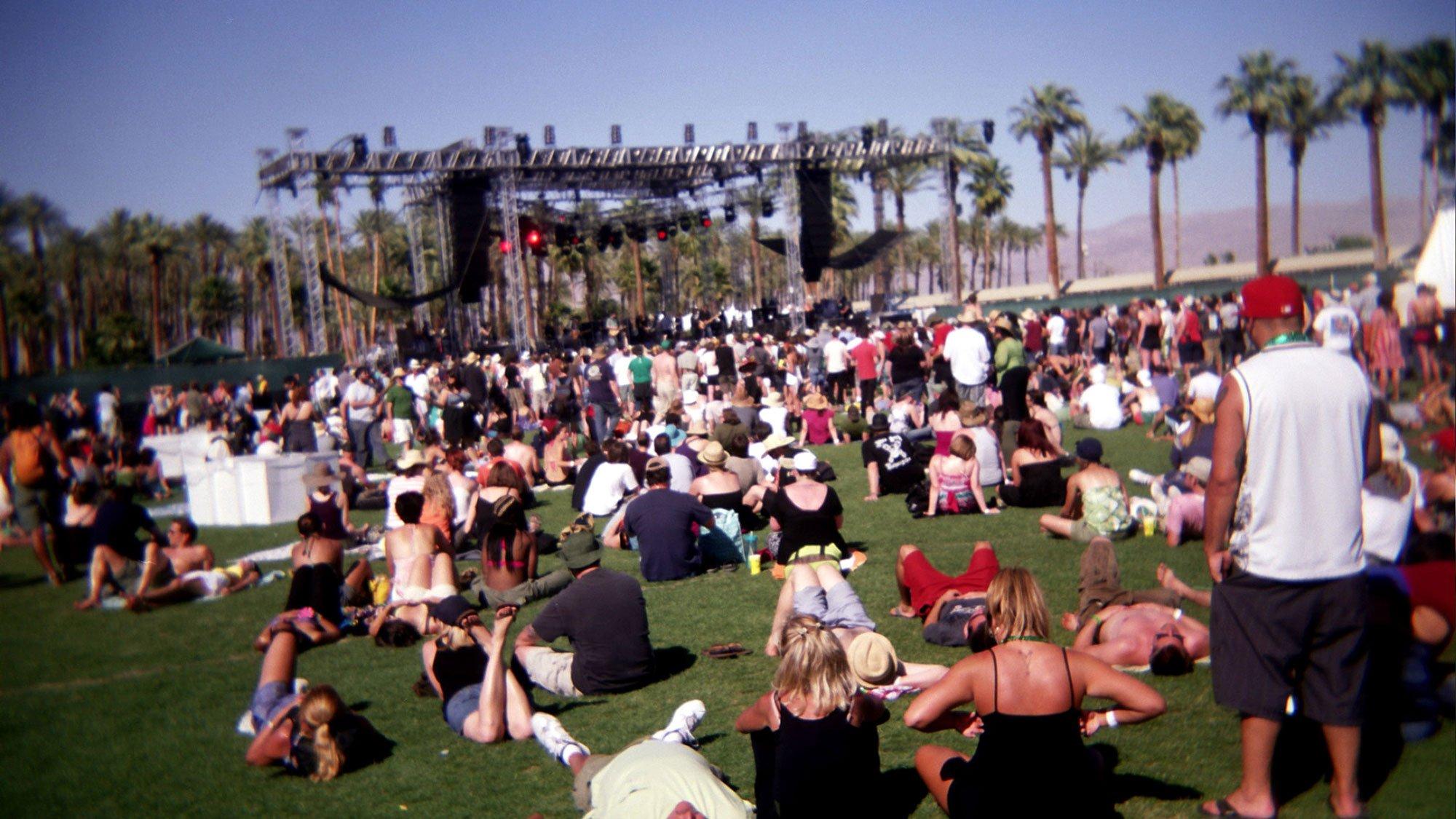
In 1999, this evolving mindset took shape when Goldenvoice launched Coachella in the California desert. The festival was not created as a direct protest, but as part of a broader transformation in how live music events could be structured. Its first edition was not a financial success, and the event paused before returning in 2001, highlighting how experimental this new model still was at the time.
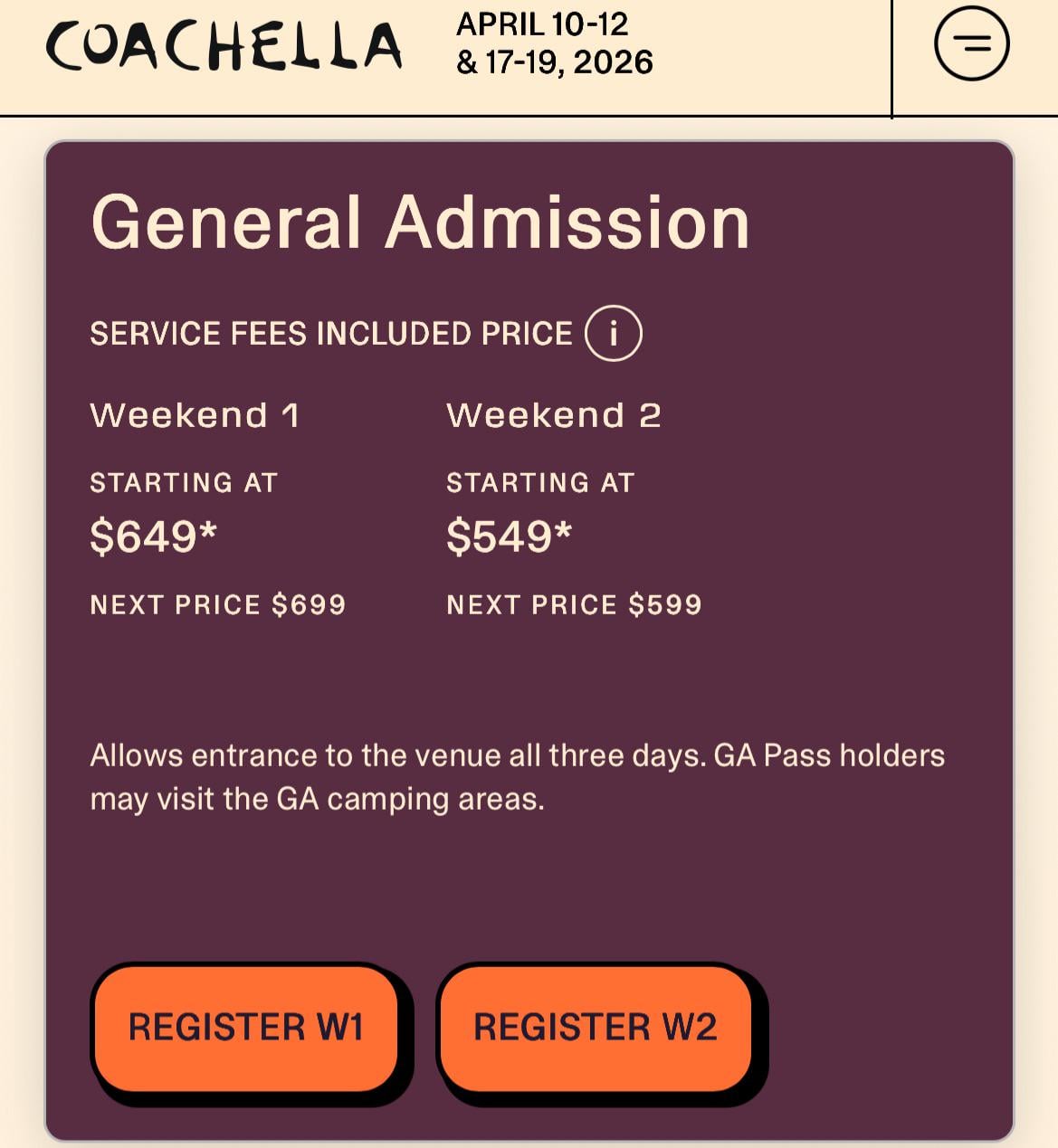
Today, Coachella stands as one of the most influential festivals in the world. Ticket prices now exceed $600, and reports indicate that around 60% of attendees use payment plans to secure access. What began during a period of questioning and change has evolved into a large-scale, highly structured experience. The contrast is clear: a festival that emerged during a moment of resistance has, over time, become fully integrated into the system it once existed outside of.
Related News

Latest News

Marlon Hoffstadt & David Guetta Drop “Caught Up”
Oct 09

Mau P Launches Baddest Behaviour Record Label
Oct 09

Skilah Turns Up the Heat with High-Octane Tech House Edit "GOMF BUT LOUDER"
Oct 09

Selfiat Releases Dancefloor DnB Cut “Never Be Alone” via EDMArmy Records
Oct 09
GENESI Brings Extended Set to New York’s Knockdown Center This October
Oct 09
Trending
- 0127-Year-Old Costa Rican Dies After Medical Emergency at EDC ColombiaOct 11
- 02ADE 2026 DJ Contest Offers 8 Artists a Chance to Perform in AmsterdamOct 08
- 03Head Trip Returns After Lightning Cancellation, Calvin Harris Rescheduled for Day 2Oct 11
- 04U.S. Government Investigates Streaming Fraud Involving Bots and AI-Generated MusicOct 11
- 05Mau P Launches Baddest Behaviour Record LabelOct 09