
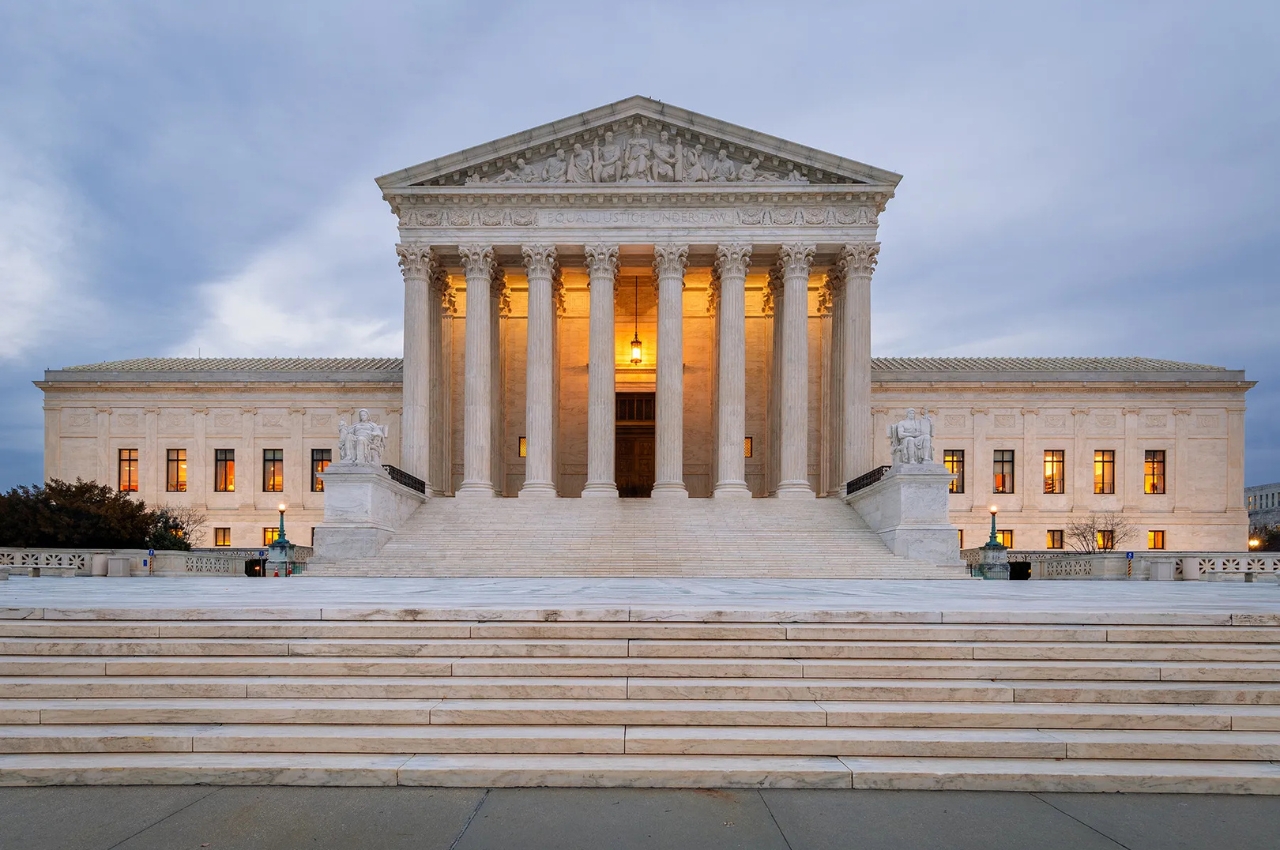
$1 Billion Piracy Lawsuit Hits the U.S. Supreme Court — A Landmark Case That Could Redefine ISP Liability
A billion-dollar copyright battle is officially in the hands of the U.S. Supreme Court. The long-running case, Cox Communications v. Sony Music Entertainment et al., could reshape how the internet operates — and determine whether ISPs can be held responsible for the music piracy committed by their users.
At the center of the fight is a decisive question: Can an ISP be held liable for “contributory infringement” when it knowingly allows repeat piracy to occur on its network?
The Core Fight: $1 Billion in Damages & Whether ISPs Must Act as Enforcers
The lawsuit began in 2018, when major labels — Sony Music, Universal Music Group, and Warner Music Group — accused Cox of ignoring thousands of infringement alerts tied to more than 10,000 pirated songs.
The labels argue Cox violated the DMCA’s safe-harbor protections, claiming the company failed to implement a functional system for dealing with repeat infringers. Internal Cox emails presented in court didn’t help their case, including one message from an employee saying: “F the DMCA!!!”
A Virginia jury sided with the labels in 2019 and issued a massive $1 billion judgment, one of the largest piracy-related awards in U.S. history. An appeals court upheld much of the ruling — leading Cox to escalate the case to the Supreme Court.
Now, the future of copyright enforcement sits at the highest level of the U.S. legal system.
The Supreme Court Legal Question: Did Cox Contribute to Piracy?
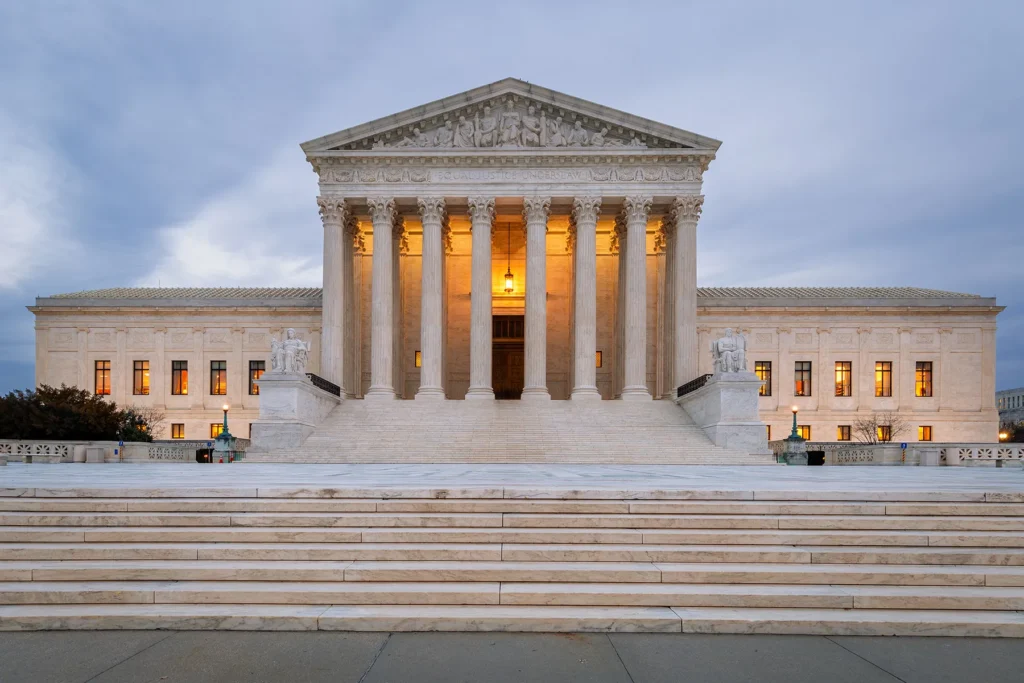
The core question justices must resolve:
Did Cox knowingly contribute to subscriber piracy?
Record Labels Argue: Yes
-
Cox received overwhelming evidence of repeat infringement.
-
They allege the company ignored clear, repeated, documented notices.
-
By refusing to terminate repeat offenders, they say Cox became effectively complicit.
Cox Argues: Absolutely Not
-
ISPs are not Internet Police: Cox says forcing them to investigate all claims would destabilize internet access and create a chilling effect on users.
-
No Intent to Promote Piracy: They maintain contributory liability requires intent — something they say is entirely absent.
-
Dangerous Precedent: They warn of mass disconnections of homes, dorms, businesses, and universities based on unverified allegations.
A Decision That Could Reshape Online Music, Streaming & Internet Access
During oral arguments, Supreme Court justices questioned how much responsibility ISPs should carry — especially in an era where infringement complaints can be automated, exaggerated, or weaponized.
The final ruling, expected June 2026, will have sweeping implications for:
-
Copyright protection
-
How ISPs manage their networks
-
The future of streaming and digital media
-
The balance between online freedom and enforcement
This case could redefine how the music industry polices piracy for decades to come — and may force ISPs to adopt entirely new systems for monitoring and reacting to infringement claims.
follow EDMarmy
Related News



Latest News

Marlon Hoffstadt & David Guetta Drop “Caught Up”
Oct 09

Mau P Launches Baddest Behaviour Record Label
Oct 09

Skilah Turns Up the Heat with High-Octane Tech House Edit "GOMF BUT LOUDER"
Oct 09

Selfiat Releases Dancefloor DnB Cut “Never Be Alone” via EDMArmy Records
Oct 09

GENESI Brings Extended Set to New York’s Knockdown Center This October
Oct 09
Trending
- 0127-Year-Old Costa Rican Dies After Medical Emergency at EDC ColombiaOct 11
- 02Head Trip Returns After Lightning Cancellation, Calvin Harris Rescheduled for Day 2Oct 11
- 03ADE 2026 DJ Contest Offers 8 Artists a Chance to Perform in AmsterdamOct 08
- 04U.S. Government Investigates Streaming Fraud Involving Bots and AI-Generated MusicOct 11
- 05Mau P Launches Baddest Behaviour Record LabelOct 09