
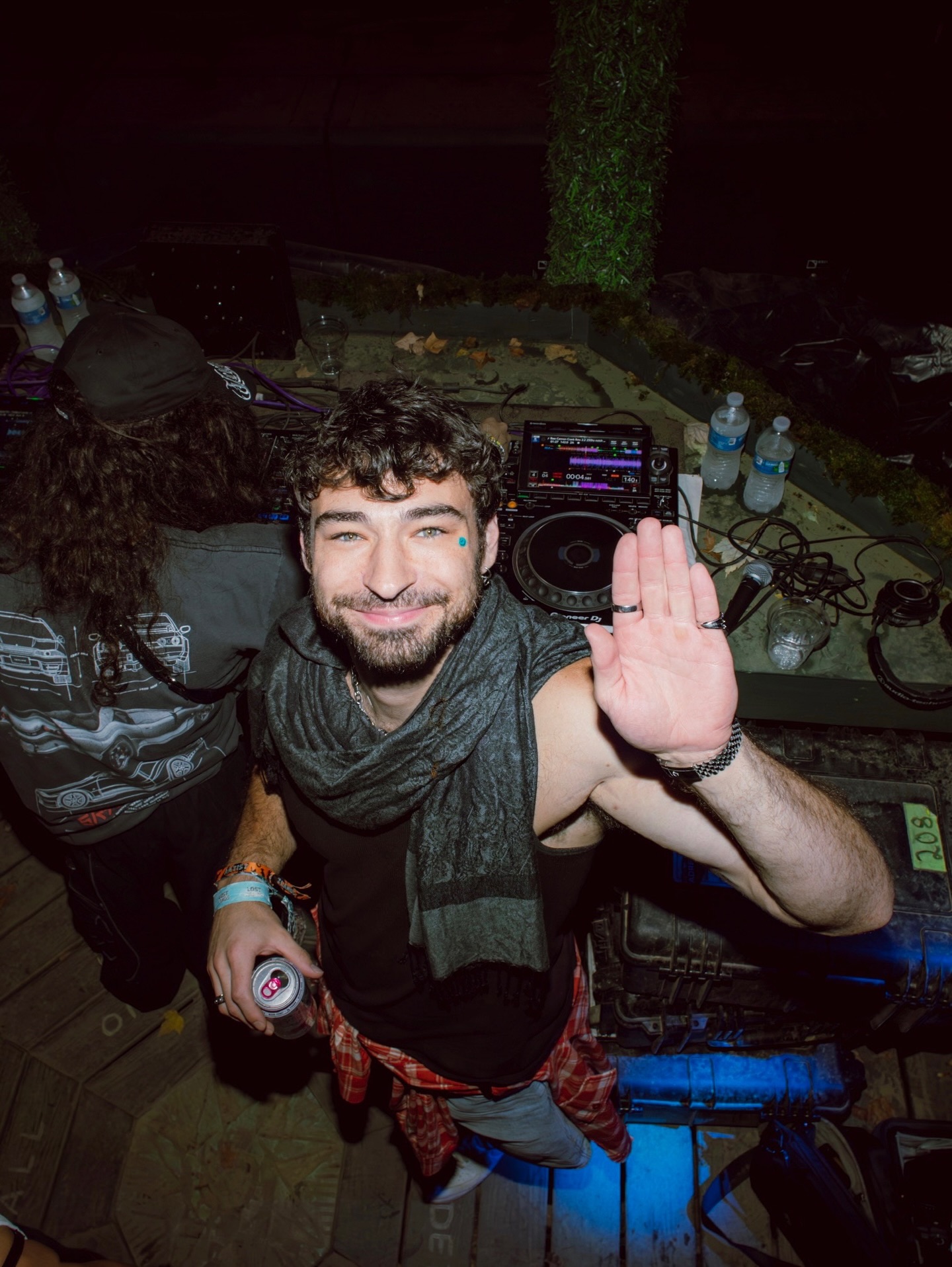
Crankdat Thought 2022 Was The End
Crankdat’s story looks like the classic “young prodigy who only goes up” narrative, until it doesn’t. Yes, he was the kid playing real rooms early, getting co-signs, and building momentum fast. But a few years ago, the project hit a stretch where the trajectory flattened, the business side got heavy, and walking away started to feel like the reasonable next chapter.
Then a single festival set changed the temperature of everything.
Early life: from “forced piano” to obsessed producer
Crankdat, legally Christian Smith, was born in Pittsburgh and grew up in Youngstown, Ohio. Music wasn’t love-at-first-sight. His parents pushed him into piano lessons, then trumpet, and neither stuck. What did stick was curiosity: video games, early creativity (including Lego stop-motion), drawing, and later an interest in animation that would eventually become part of his artistic identity.
As a kid, he listened to mainstream hip-hop, especially artists like Drake and Lil Wayne, and had a deep admiration for T-Pain. That hip-hop interest nudged him toward beatmaking, even before he knew what tools to use.
The real spark hit when he discovered electronic music. He found David Guetta’s One Love (2009), then Skrillex’s Scary Monsters and Nice Sprites, which made the production side feel tangible. His parents bought him FL Studio for Christmas, and he dove in. (He later switched to Ableton.)
A weird double life: student-athlete and rising DJ
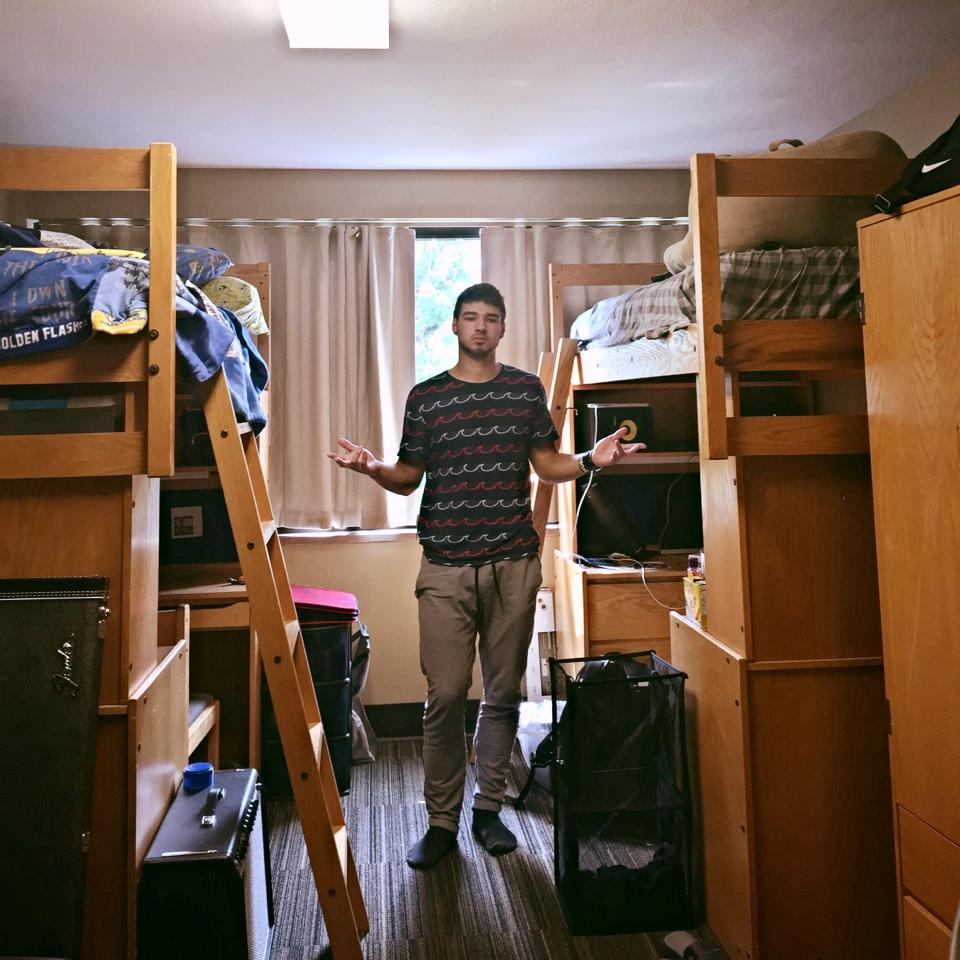
In high school he wasn’t just making music, he was also excelling in track and field. By senior year, he was the #2 discus thrower in the country. He graduated as co-valedictorian, earned a full scholarship to Kent State for track, and entered college in fall 2015 with his music already taking off.
Crankdat launched by releasing remixes, and one flipped the switch: his remix of Fetty Wap’s “Trap Queen.” It got lifted by Vine culture and later uploaded by Trap City, stacking organic distribution into real traction. By the time he started college, that remix had around 15 million plays and helped him land his first manager plus early show opportunities.
His first-ever show as Crankdat came during his first month in college: a booking at Sam Houston State University in Huntsville, Texas alongside Waka Flocka Flame.
Momentum built. More remixes, more attention. Even Marshmello (early in that project’s life) reached out and played Crankdat tracks in sets, which helped widen exposure. Crankdat toured Australia in 2016, but by then he was juggling three demanding tracks at once: school, athletics, and music.
Something had to give.
Going all-in: dropping out, building a home studio, catching fire
Crankdat made a clean choice: music. He left school after his third semester, moved back with his parents, and worked from a studio he’d already built in their house. He signed with a booking agent in January 2017, and the agent later admitted they wouldn’t have taken him on if he’d stayed in college.
2017 became a breakout year for live momentum:
A collaboration opportunity from Jauz (“I Hold Still”)
His first solo single (“Dollars”)
Major festival opportunities like Electric Zoo and Global Dance
Sets at Hakkasan in Las Vegas that turned into a residency the following year
The Hakkasan detail became part of his legend: he wasn’t 21 yet, so security had to escort him into the building right before his set and escort him out immediately afterward.
He also got a bucket-list collab: an official track with T-Pain (“In the Air”). The story behind it was unusually direct. Dubset Media had unreleased T-Pain vocals and was pairing them with producers. T-Pain listed his preferred producers, and Crankdat was at the top.
By the end of that first full-time year, the pattern looked clear: the project was climbing fast.
But the next phase wasn’t a straight line.
The stall no one sees: rebuilding a team in public silence
In 2018, Crankdat’s momentum softened. Not because the music suddenly got worse or shows stopped happening, but because the engine behind the scenes broke.
He fired his manager, and his agent left too. That meant rebuilding a team from scratch. He also taught himself 3D animation to make his own cover art and visuals, partly to save money and have more control. 2018 became a “rebuild year,” even though he still had meaningful releases and real support from major DJs.
From the outside, it can look like an artist “didn’t capitalize.” From the inside, the work is often invisible: restructuring, renegotiating, replacing key people, rebuilding pipelines.
2019 brought steadier footing. His Hakkasan residency was renewed. He released his first EP (Gearworld Vol. 1), launched a tour, and continued releasing collaborations and singles. The project had direction again.
Then 2020 hit.
The pandemic reset: adapting instead of disappearing
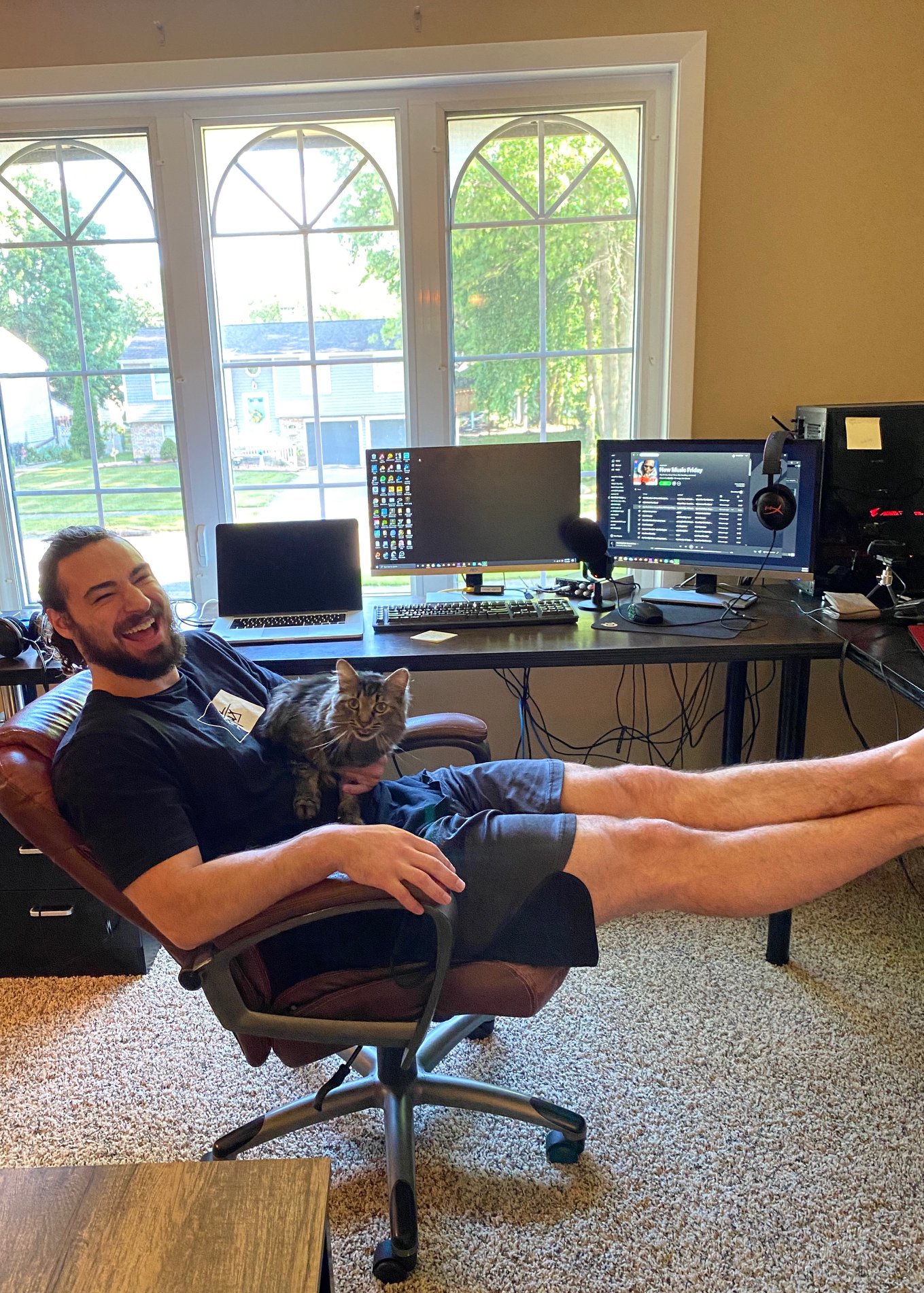
When lockdowns stopped touring, Crankdat’s live momentum hit a wall like everyone else’s. But he didn’t go silent. According to the transcript, he adapted in multiple ways:
streaming on Twitch
starting a Patreon
giving lessons to aspiring producers
improving production skills
pushing animation skills further
training physically and hitting personal lifting PRs
By summer 2021, he was back to a handful of shows and continued releasing music.
The hard part wasn’t “surviving 2020.” It was what came after.
2022: the trust gap and the “maybe it’s over” year
By 2022, live music was largely back, but the transcript describes a very specific problem: momentum didn’t automatically return just because venues reopened.
Crankdat didn’t have an “extensive history” at the level of legacy headliners, and after the pandemic pause, promoters weren’t sure what he was worth anymore. The quote is blunt: they didn’t know what his “ticket” value was now, so they didn’t want to book him. He also says his agent dropped him because he wasn’t “popping” the way they wanted.
This is the part of the story that hits hardest: he went into Tomorrowland 2022 thinking this might be his last year in music, and he’d pivot into a new chapter. He was already accepting it.
Then the set happened.
Tomorrowland 2022: the pivot moment
Crankdat describes arriving with low expectations. He even notes that bass music wasn’t the most popular in Europe, and he wasn’t either. But his stage was well attended, and it became one of the most fun sets he’d had in ages.
More importantly, it reconnected him with the thing that made him start: love for electronic music. In his Instagram reflection (quoted in the transcript), he talks about how the business side had been sucking away the joy, and how the Tomorrowland experience reacquainted him with unconditional love for the music.
That shift mattered because it changed what he did next.
After Tomorrowland, he decided to double down. He kept releasing music through 2022 and finished the year with a three-month tour plus a notable appearance at Illenium’s Ember Shores. The story turns from “I might quit” to “I’m trying everything I can to turn this around.”
The comeback stacks: 2023–2025
The transcript frames 2023 as a strong year: tours, releases, and visibility rising. He released a multi-track project on Monstercat and collaborated with Diesel (Shaq). He also checked off a long-time goal: playing Ultra Miami.
Then he returned to Tomorrowland in 2023 with a different mindset, and the crowd was “enormous.” A couple months later he released “STFU,” described as a comedic flip connected to Taylor Swift’s “Anti-Hero,” and it gained attention during a chaotic touring era.
2024 is presented as huge: more festivals, more tours, higher profile. Two collaborations with major names stand out (DJ Snake and Juicy J). The biggest milestone, though, was live.
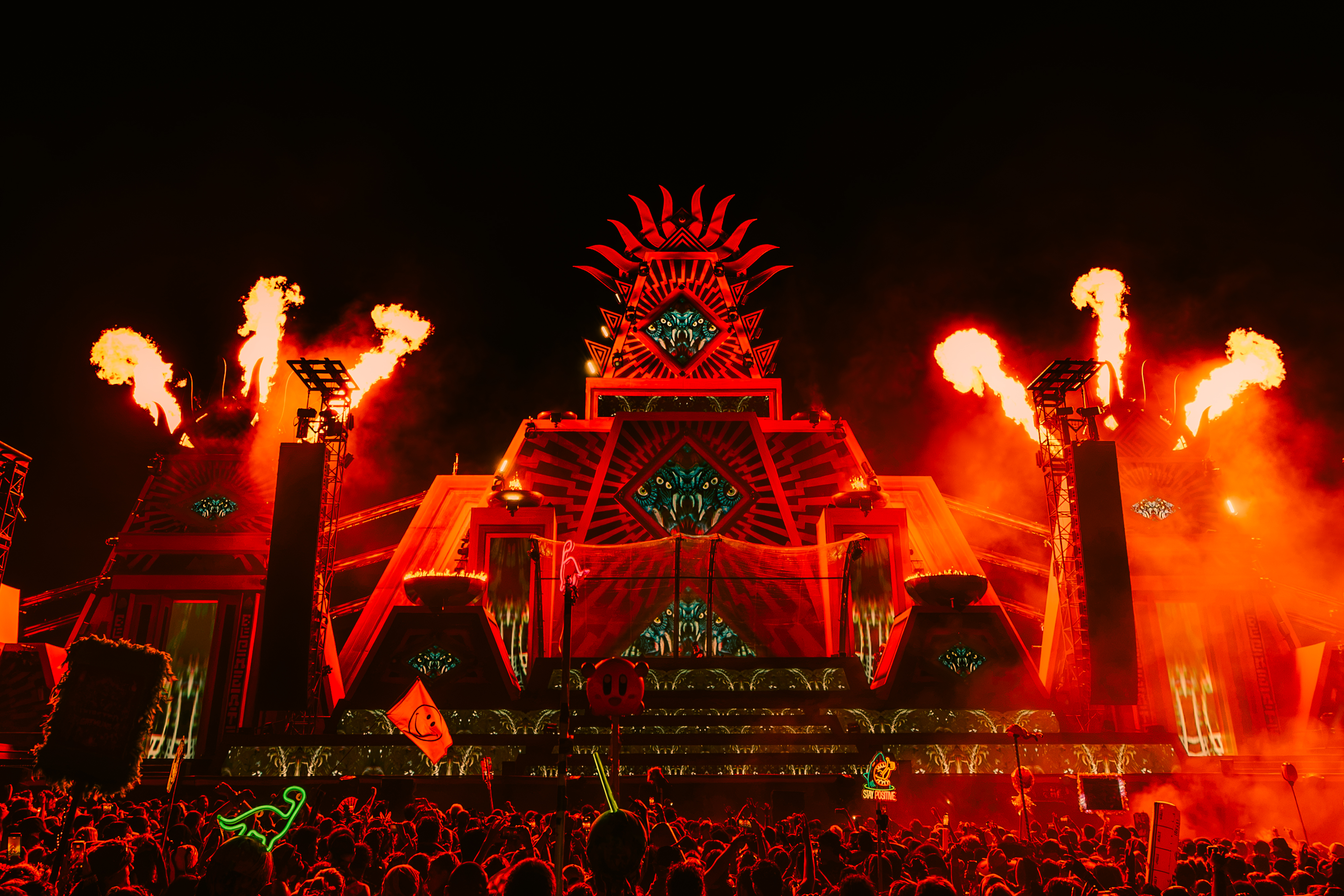
He debuted a major new stage concept for two nights at the Hollywood Palladium, a venue he’d wanted to headline for eight years. The transcript emphasizes how hard it is to sell 4,000 “hard tickets,” then delivers the flex: he didn’t sell 4,000. He sold 8,000 across two sold-out nights.
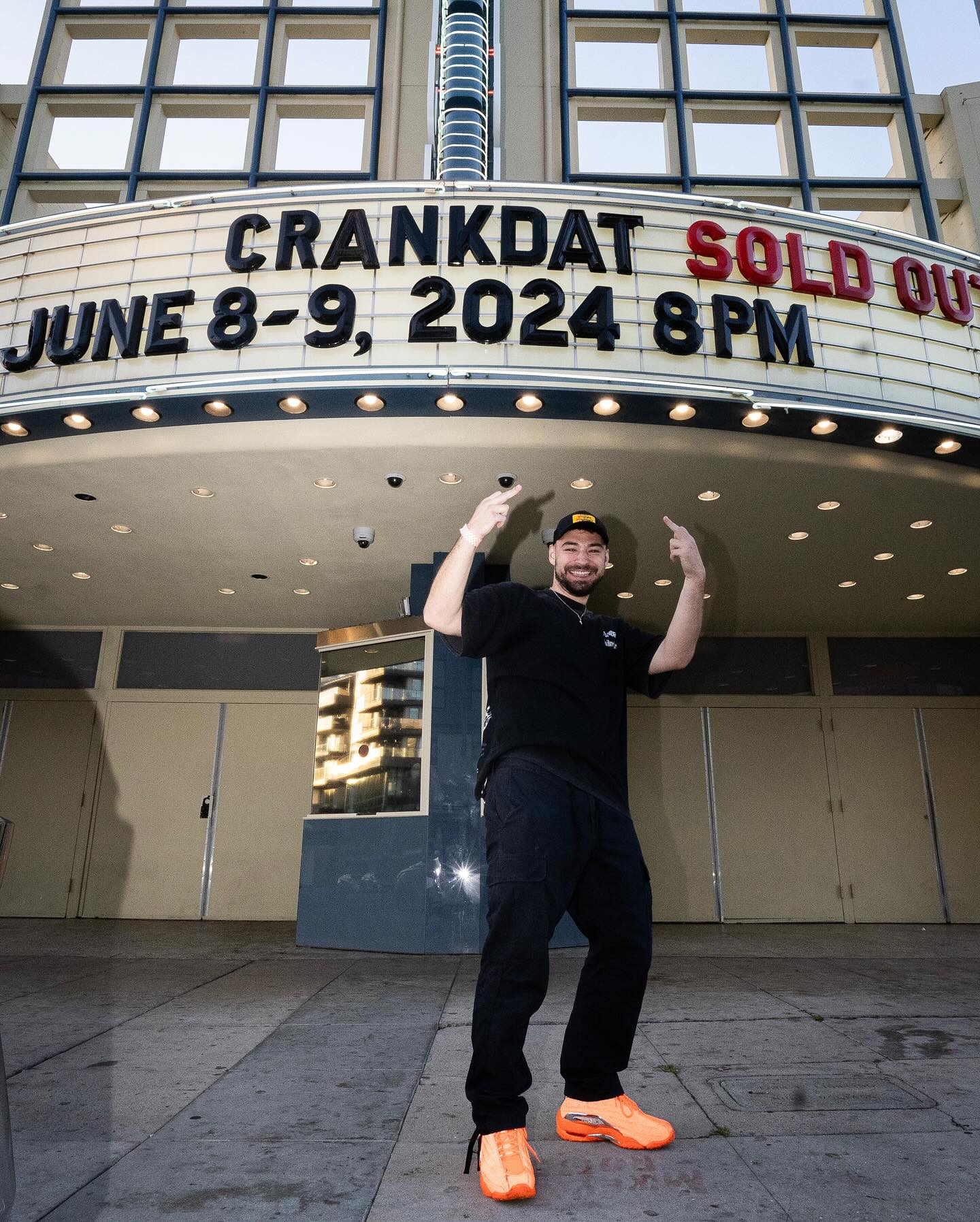
In 2025, the story continues: busy touring, major festival appearances, and a first single of the year (“Whiplash”). Then he hits another dream milestone: a night slot at Ultra Miami, with a massive turnout. He calls it the best weekend of his life.
Artists
Related artist
Crankdat
Related News
Latest News
U.S. Government Investigates Streaming Fraud Involving Bots and AI-Generated Music
Oct 11
Head Trip Returns After Lightning Cancellation, Calvin Harris Rescheduled for Day 2
Oct 11
27-Year-Old Costa Rican Dies After Medical Emergency at EDC Colombia
Oct 11
Marlon Hoffstadt & David Guetta Drop “Caught Up”
Oct 09
Mau P Launches Baddest Behaviour Record Label
Oct 09
Trending
- 0127-Year-Old Costa Rican Dies After Medical Emergency at EDC ColombiaOct 11
- 02ADE 2026 DJ Contest Offers 8 Artists a Chance to Perform in AmsterdamOct 08
- 03Head Trip Returns After Lightning Cancellation, Calvin Harris Rescheduled for Day 2Oct 11
- 04U.S. Government Investigates Streaming Fraud Involving Bots and AI-Generated MusicOct 11
- 05Mau P Launches Baddest Behaviour Record LabelOct 09